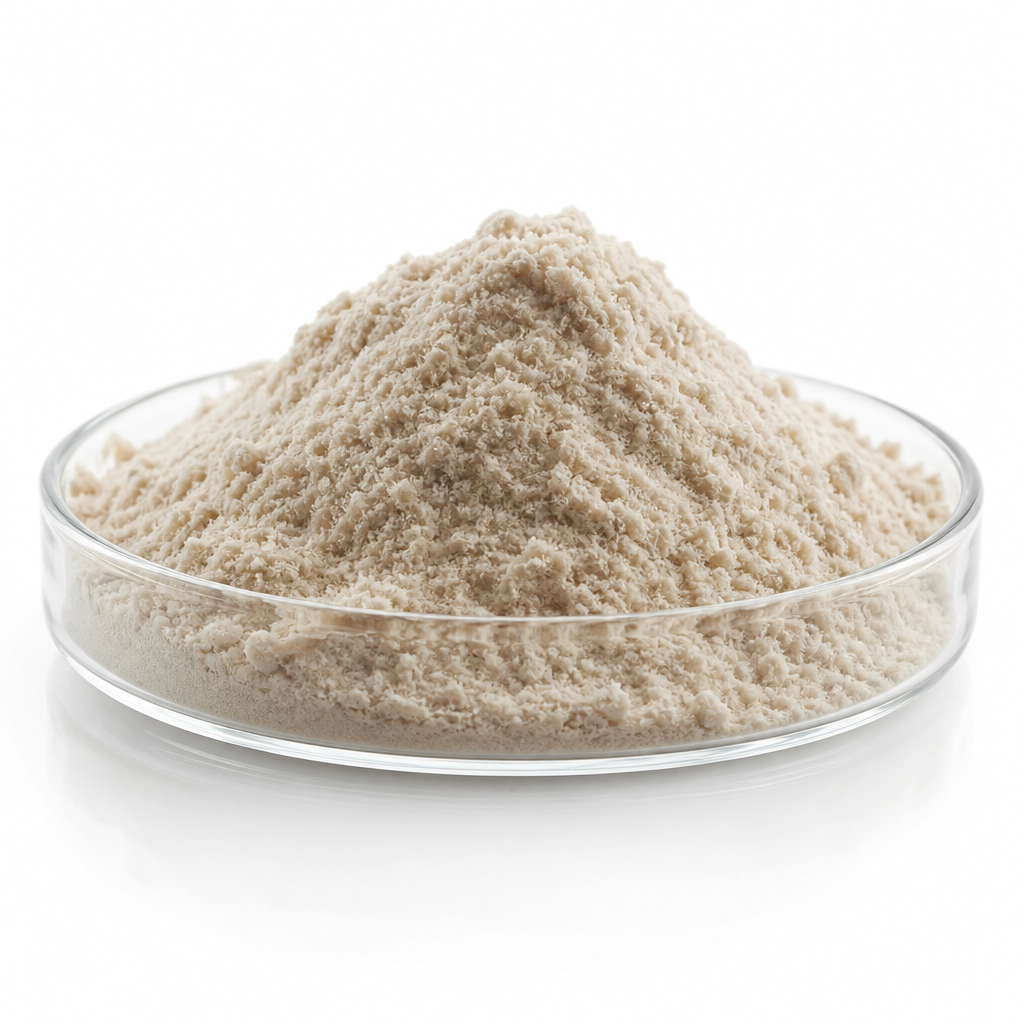
What exactly is Marine Polysaccharide Complex and why do people take it as a supplement?
Marine Polysaccharide Complex is a category of bioactive carbohydrate polymers — including fucoidan, carrageenan, alginate, ulvan, and agar — extracted from marine sources such as brown, red, and green seaweeds, sea cucumbers, and microalgae. These complex sugar chains are commonly used to support gut microbiome health, immune function, and antioxidant defense, drawing on a long history of seaweed consumption in coastal populations. Because different fractions have distinct biological activities, supplements are often standardized to specific polysaccharides like fucoidan or alginate to target particular benefits.
How strong is the actual research behind Marine Polysaccharide Complex — is there solid clinical evidence for it?
The clinical evidence for Marine Polysaccharide Complex varies by benefit area: prebiotic gut microbiome support has the strongest backing (evidence score ~7.4/10), with studies showing that fractions like alginate and fucoidan may selectively feed beneficial gut bacteria. Immune modulation and antioxidant activity also have meaningful research support (~7.1/10 and ~6.8/10 respectively), largely from in vitro and animal studies supplemented by some human trials. Benefits like postprandial blood glucose regulation and lipid management show promising but more preliminary evidence (~6.5/10 and ~5.9/10), meaning results are encouraging but not yet definitive across large human populations.
Who is most likely to actually benefit from taking a Marine Polysaccharide Complex supplement?
People who may benefit most include those looking to support gut microbiome diversity, since marine polysaccharides act as prebiotics that can feed beneficial bacteria — making them a useful complement to probiotic supplements like [OPA Probiotic-40](/products/opa-probiotic-40-daily-probiotic). Individuals interested in immune modulation, managing postprandial blood sugar spikes, or supporting antioxidant defenses may also find value, particularly those who consume little to no seaweed in their regular diet. Those already taking probiotics containing strains like [Bifidobacterium lactis](/ingredients/bifidobacterium-lactis) or [Lactobacillus acidophilus](/ingredients/lactobacillus-acidophilus) may see enhanced outcomes by pairing them with a prebiotic marine polysaccharide source.
How much Marine Polysaccharide Complex should I take daily, and does it matter when I take it?
Typical supplemental doses range from 500 to 2,000 mg per day, though the appropriate amount depends heavily on which specific fraction is being used — fucoidan studies often use 300–1,000 mg, while alginate-based interventions may use higher amounts. Taking Marine Polysaccharide Complex with meals is generally recommended, as this timing may best support digestive transit, postprandial glucose regulation, and interaction with gut microbiota during active digestion. Always follow the dosing guidance on your specific product label, since potency and standardization vary significantly between formulations.
Are there any safety concerns or drug interactions I should know about before taking Marine Polysaccharide Complex?
Marine Polysaccharide Complex is generally considered well-tolerated at typical supplemental doses, but some individuals may experience mild digestive discomfort — such as bloating or loose stools — particularly when starting at higher doses, due to its fermentable prebiotic activity. People taking blood-thinning medications (anticoagulants) should exercise caution with fucoidan-containing products, as fucoidan has demonstrated anticoagulant properties in some studies and could theoretically potentiate these drugs. Those with shellfish or seaweed allergies, thyroid conditions (given the iodine content of some algae-derived products), or who are pregnant or breastfeeding should consult a healthcare provider before use.
How does Marine Polysaccharide Complex compare to Bifidobacterium lactis for gut health, and can I get enough from food instead of supplements?
Marine Polysaccharide Complex and [Bifidobacterium lactis](/ingredients/bifidobacterium-lactis) work through complementary rather than competing mechanisms — marine polysaccharides act as prebiotics (food for beneficial bacteria), while Bifidobacterium lactis is a probiotic (a live beneficial bacterium itself), so combining them may offer synergistic gut support. From a food perspective, meaningful amounts of marine polysaccharides are found in seaweeds like wakame, kombu, and nori, but achieving the doses studied clinically — often 500 mg or more of specific fractions — would require consistent, substantial seaweed consumption that most Western diets don't include. Supplements like [OPA Probiotic-40](/products/opa-probiotic-40-daily-probiotic) that combine probiotics with prebiotic support, or pairing a marine polysaccharide supplement with strains like [Lactobacillus plantarum](/ingredients/lactobacillus-plantarum), may offer a more practical route to meaningful gut microbiome benefits than diet alone.