
★ BOTANICAL EXTRACT · GENERALLY SAFE
Alfalfa (leaf)
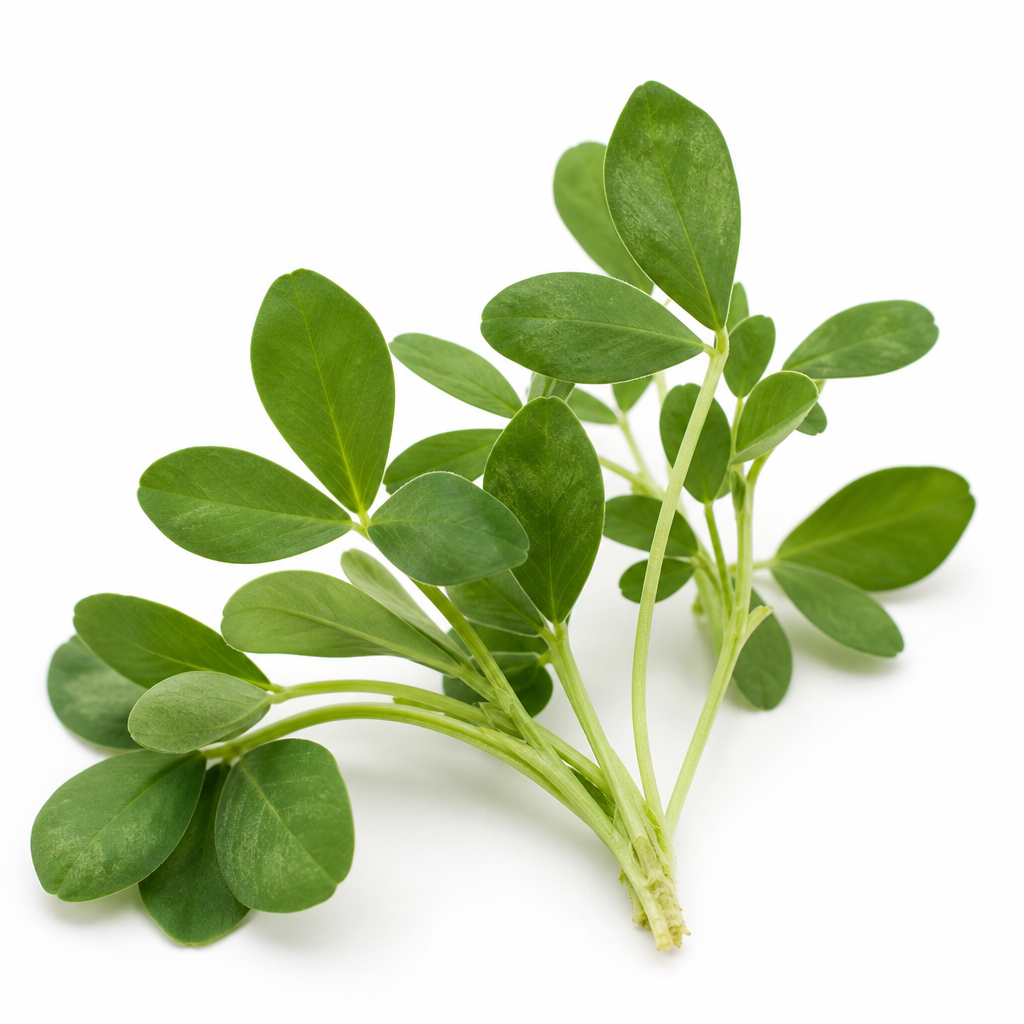
Alfalfa leaf has a long history of use in traditional Ayurvedic and Chinese medicine, primarily as a nutritive tonic and digestive aid. Its saponin content is thought to interfere with cholesterol absorption in the gut by binding bile acids, which has drawn interest for cardiovascular support. The isoflavones present exhibit weak estrogenic activity, making alfalfa a subject of research in the context of menopausal symptom management and hormonal balance. Chlorophyll, abundant in the dried leaf, is associated with antioxidant and detoxification-supporting properties.
5.8
Evidence / 10
Emerging
Top benefit
0+
Verified products
What it's proven to support
Evidence confidence for each benefit area, from verified research.
Related ingredients
Frequently formulated and compared with Alfalfa (leaf).
HOW MUCH
500–2,000 mg dried leaf per day
WHEN
With meals to support digestion and nutrient absorption
SAFETY
Generally Safe
Buyer questions
What exactly is alfalfa leaf and why do people take it as a supplement?
Alfalfa leaf (Medicago sativa) is a flowering plant native to Central Asia that has been used for centuries in Ayurvedic and traditional Chinese medicine as a nutritive tonic. The dried leaf is notably rich in vitamins K, C, and several B vitamins, along with minerals like calcium, magnesium, and iron, which is why it's commonly used to support overall nutritional density rather than targeting a single condition. Its saponin compounds have also drawn interest for digestive and cardiovascular support. It's available in capsules, tablets, powder, dried leaf tea, liquid extract, and even as fresh sprouts.
Is there actual clinical research backing up alfalfa leaf supplements, or is it mostly traditional use?
The evidence for alfalfa leaf is a mixed picture: its nutritional density benefits are among the best-supported (evidence score ~7.9/10), given the measurable vitamin and mineral content in the leaf. Cholesterol support has moderate evidence (6.4/10), with some studies suggesting the saponins in alfalfa may interfere with cholesterol absorption by binding bile acids in the gut, though large-scale human trials are limited. Benefits like menopausal symptom relief and blood sugar regulation have weaker clinical backing (scores around 5.6–5.7/10) and are largely based on preliminary or animal studies. Overall, alfalfa leaf is better characterized as a nutritive botanical than a clinically proven therapeutic agent.
Who tends to get the most out of taking alfalfa leaf supplements?
People who may benefit most from alfalfa leaf are those looking to fill nutritional gaps in their diet, particularly individuals with low intake of fat-soluble vitamins or minerals like calcium and magnesium. It may also be of interest to people exploring gentle digestive support or those in perimenopause curious about phytoestrogen-containing botanicals, though the evidence for hormonal effects is modest. If digestive regularity is a primary goal, pairing alfalfa with fiber-focused ingredients like [psyllium husk](/ingredients/psyllium-husk) or [aloe vera](/ingredients/aloe-vera) — as found in [OPA Colon Sweep](/products/opa-colon-sweep-daily-detox-support) — may offer more comprehensive support.
How much alfalfa leaf should I actually be taking, and does it matter when I take it?
The commonly used dose range for dried alfalfa leaf is 500–2,000 mg per day, with most supplements falling somewhere in that window depending on the intended use. Taking it with meals is generally recommended, as this may support digestion and nutrient absorption while also reducing the chance of mild gastrointestinal discomfort that some people experience on an empty stomach. There is no single universally established clinical dose, so starting at the lower end and adjusting based on tolerance is a reasonable approach. Always follow the specific dosing guidance on the product you're using.
Are there any safety concerns or drug interactions I should know about before taking alfalfa leaf?
Alfalfa leaf contains significant amounts of vitamin K, which can interfere with anticoagulant medications like warfarin — people on blood thinners should consult a healthcare provider before supplementing. The phytoestrogen content (primarily coumestrol) means individuals with hormone-sensitive conditions such as estrogen-receptor-positive breast cancer, endometriosis, or uterine fibroids should exercise caution and seek medical guidance. Alfalfa seeds and sprouts have also been associated with autoimmune flares in people with lupus (SLE) due to the amino acid L-canavanine, though this concern is less pronounced with dried leaf preparations. Pregnant or breastfeeding individuals should avoid supplemental doses beyond typical food amounts.
How does alfalfa leaf compare to aloe vera for digestive support, and is one better than the other?
Alfalfa leaf and [aloe vera](/ingredients/aloe-vera) both have traditional use in digestive health, but they work through different mechanisms and suit different needs. Alfalfa leaf is primarily a nutritive botanical — its fiber and saponin content may gently support gut motility and nutrient absorption — while aloe vera is better studied for soothing the gastrointestinal lining and has stronger evidence for occasional constipation relief. If you're eating a varied whole-food diet and mainly want a nutritional top-up with mild digestive benefits, alfalfa leaf may be the more fitting choice; if gut lining comfort or regularity is the priority, aloe vera or a combination formula may be more appropriate. Products like [OPA Colon Sweep](/products/opa-colon-sweep-daily-detox-support) combine aloe vera with other digestive botanicals for a more targeted approach.
Research
WebMD
Alfalfa: Overview, Uses, Side Effects, Precautions, Interactions, Dosing and Reviews
PubMed Central (PMC) – National Institutes of Health
The Antioxidant Properties of Alfalfa (Medicago sativa L.) and Its Biochemical, Antioxidant, Anti-Inflammatory, and Pathological Effects on Nicotine-Induced Oxidative Stress in the Rat Liver
ScienceDirect (Industrial Crops and Products)
Alfalfa as a nutritional and functional food resource: Applications and health benefits
Ready to compare Alfalfa (leaf) products?
0 verified products, scored ingredients, real research.