
★ BOTANICAL EXTRACT · GENERALLY SAFE
Green Tea Extract
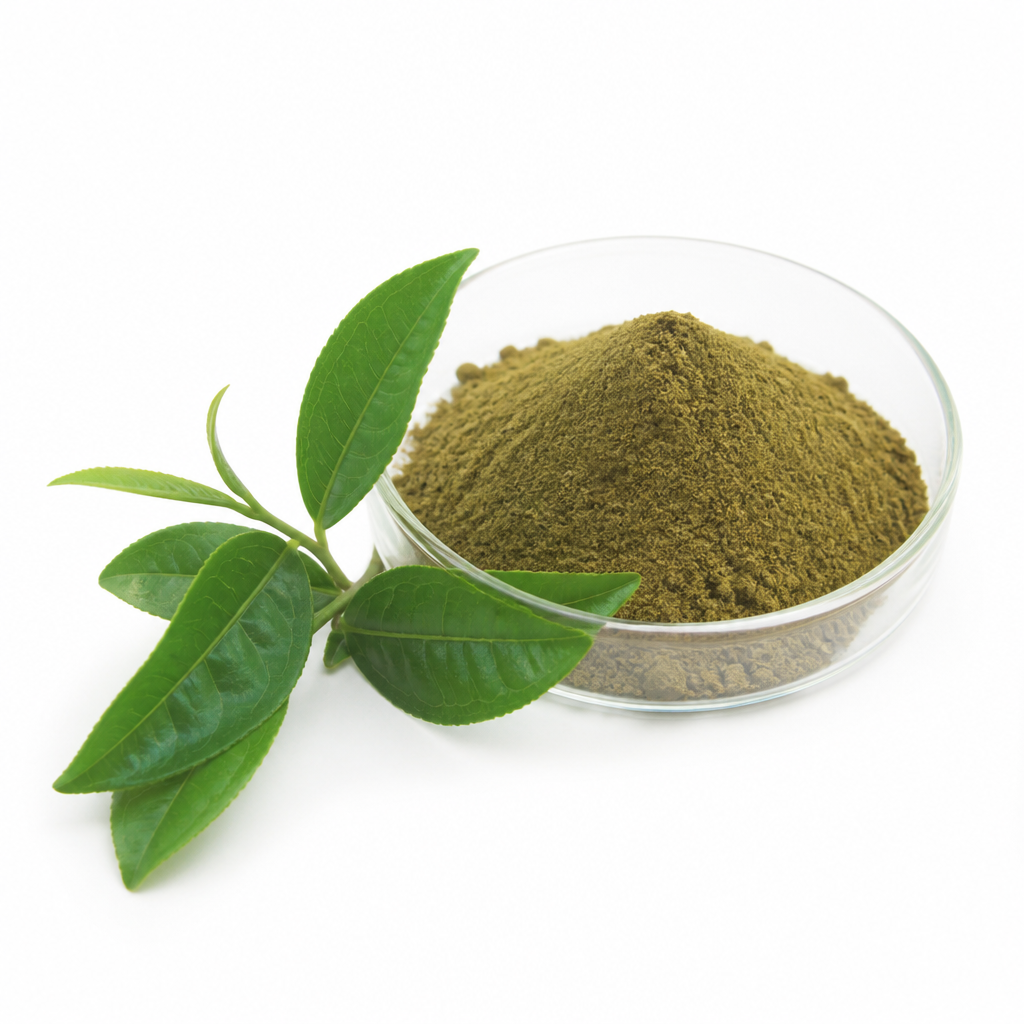
Green Tea Extract is a concentrated botanical derived from the leaves of Camellia sinensis, the same plant used to produce green, black, and oolong teas. Unlike fermented black tea, green tea leaves are minimally processed, preserving a rich profile of polyphenolic compounds — most notably catechins, with epigallocatechin gallate (EGCG) being the most abundant and pharmacologically active. Standardized extracts typically contain 45–98% total polyphenols and are often characterized by their EGCG content, allowing for consistent dosing in supplement form.
8.2
Evidence / 10
Strong
Top benefit
2+
Verified products
What it's proven to support
Evidence confidence for each benefit area, from verified research.
Related ingredients
Frequently formulated and compared with Green Tea Extract.
HOW MUCH
250–500 mg standardized extract (45–50% EGCG) per day; up to 800 mg EGCG in clinical studies
WHEN
With meals to reduce potential GI irritation; morning or pre-exercise for metabolic and performance benefits
SAFETY
Generally Safe
Shop verified products
View all 2 →

Buyer questions
What exactly is green tea extract and why do people take it as a supplement instead of just drinking tea?
Green Tea Extract is a concentrated botanical derived from the leaves of Camellia sinensis, standardized to preserve high levels of polyphenolic compounds called catechins — most notably epigallocatechin gallate (EGCG). People commonly use it to support metabolic rate, antioxidant defense, cardiovascular health, and cognitive focus. Because a single capsule can deliver the catechin equivalent of multiple cups of tea without the volume of liquid or variable caffeine content, supplementation offers a more controlled and convenient intake. It is available in capsules, powders, tablets, and liquid extracts, and is often combined with ingredients like [caffeine](/ingredients/caffeine) or [L-carnitine](/ingredients/l-carnitine) in metabolic support formulas.
How strong is the actual research behind green tea extract — is there solid clinical evidence it does anything?
Green Tea Extract has a well-developed body of clinical research, with its antioxidant and cellular defense properties among the most robustly supported (evidence score 9.1/10), followed closely by metabolic rate and fat oxidation support (8.6/10). Multiple randomized controlled trials have demonstrated that EGCG supplementation may support modest increases in fat oxidation, particularly when combined with caffeine, and epidemiological data consistently associates green tea consumption with favorable cardiovascular markers. Blood glucose regulation and anti-inflammatory activity have also been studied in clinical settings, though the evidence is somewhat less consistent across populations. As with most botanical extracts, effect sizes tend to be moderate and are most meaningful as part of a broader lifestyle approach.
Who is green tea extract actually going to help the most — is it worth taking if I'm not trying to lose weight?
While green tea extract is frequently associated with weight management, its benefits extend well beyond that use case. Individuals interested in antioxidant support, cardiovascular health, or blood glucose regulation may find it relevant regardless of weight goals, and the cognitive focus and alertness benefits — partly attributable to the combination of EGCG and naturally occurring caffeine — may appeal to those seeking a milder alternative to high-dose stimulants. People who exercise regularly may benefit from its studied role in fat oxidation and exercise performance support when taken pre-workout. Those with specific metabolic goals combining fat oxidation with energy support might also consider a product like [OPA Oxy-Burn](/products/opa-oxy-burn-thermogenic-support), which pairs Green Tea Extract with [caffeine](/ingredients/caffeine) and [L-carnitine](/ingredients/l-carnitine).
How much green tea extract should I actually be taking, and does it matter when I take it?
Most clinical studies use standardized extracts delivering 250–500 mg per day, typically standardized to 45–50% EGCG, though some trials have used up to 800 mg of EGCG daily for specific outcomes. Timing does appear to matter: taking green tea extract with meals is generally recommended to reduce the risk of gastrointestinal irritation, while morning or pre-exercise timing may better align with its metabolic and alertness-related effects. Absorption of its fat-soluble components can be enhanced when taken alongside a small amount of dietary fat or with piperine. Always follow the dosing guidance on your specific product, as EGCG concentration varies significantly between formulations.
Are there any safety concerns or drug interactions I should know about before taking green tea extract regularly?
Green Tea Extract is generally considered safe at commonly recommended doses, but high-dose supplementation — particularly above 800 mg EGCG per day — has been associated with rare cases of liver stress, and individuals with pre-existing liver conditions should consult a healthcare provider before use. Because it contains naturally occurring caffeine, those sensitive to stimulants, pregnant individuals, or people with anxiety disorders should use caution and may want to choose a decaffeinated extract. Green Tea Extract may interact with blood thinners such as warfarin, certain chemotherapy agents, and medications metabolized by the liver's CYP enzyme pathways. It is advisable to speak with a physician if you are taking prescription medications or have a chronic health condition before beginning supplementation.
How does green tea extract compare to just taking caffeine, and is the combination actually better than either alone?
Green Tea Extract and [caffeine](/ingredients/caffeine) work through distinct but complementary mechanisms: EGCG primarily supports fat oxidation and antioxidant activity through catechin-mediated pathways, while caffeine increases thermogenesis and alertness by inhibiting adenosine receptors. Research suggests the two compounds may have a synergistic effect on fat oxidation and metabolic rate that exceeds what either delivers independently, which is why they are frequently combined in metabolic support formulas. Unlike standalone caffeine, green tea extract also provides cardiovascular and anti-inflammatory benefits not attributable to caffeine alone, making it a broader-spectrum ingredient. For those who already consume significant dietary caffeine, a decaffeinated green tea extract standardized for EGCG content can provide the catechin benefits without compounding stimulant intake.
Ready to compare Green Tea Extract products?
2 verified products, scored ingredients, real research.