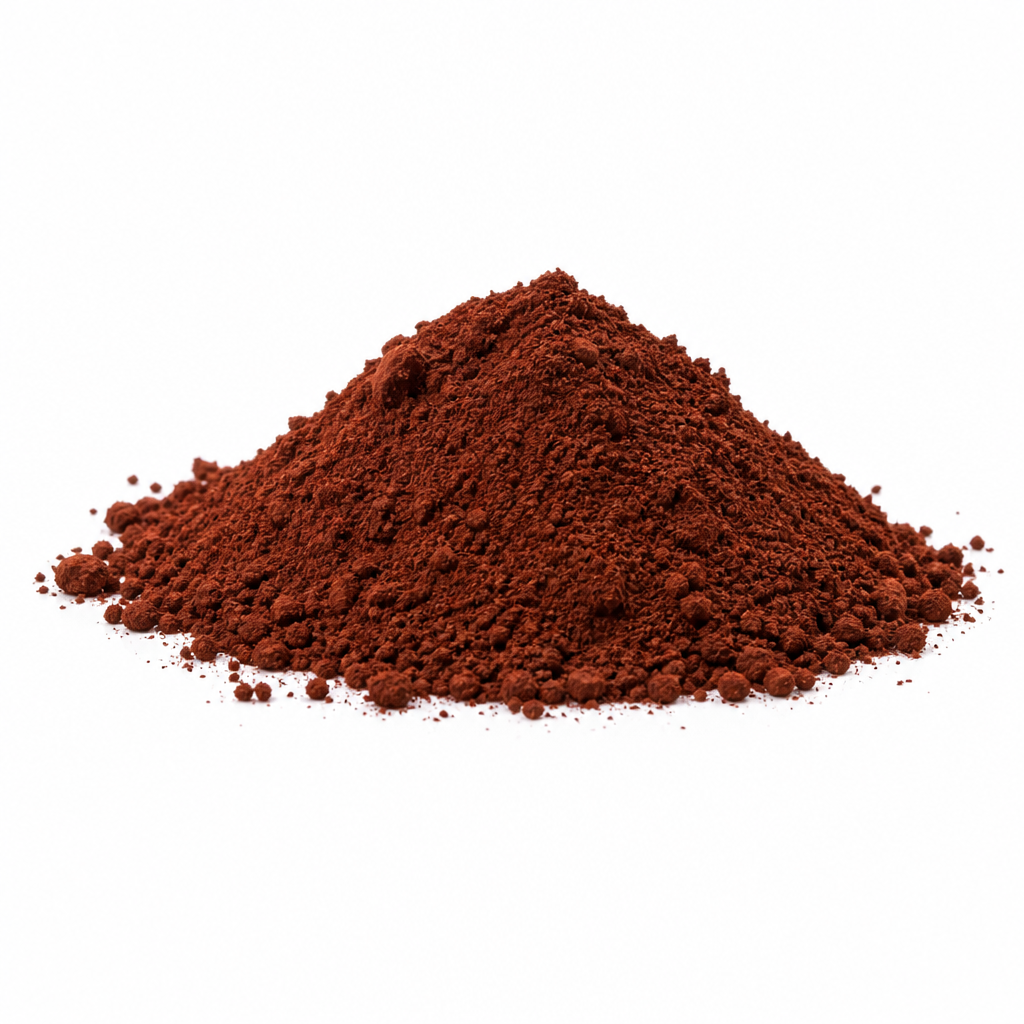
What exactly is ferrous fumarate and why is it used in iron supplements?
Ferrous fumarate is a supplemental iron compound formed by combining iron in its ferrous (2+) state with fumaric acid, a naturally occurring organic acid produced in the body. It is one of the most widely used forms of iron in dietary supplements and fortified foods because it delivers a relatively high percentage of elemental iron per dose and is reasonably well tolerated by most people. It is commonly used to help maintain healthy iron levels and support normal red blood cell production, particularly in populations with increased iron needs. Some formulations also pair it with nutrients like [Vitamin C](/ingredients/as-beta-carotene-vitamin-c), which may enhance iron absorption.
How strong is the clinical evidence behind ferrous fumarate actually working?
Ferrous fumarate has a well-established evidence base for supporting healthy iron levels and promoting normal red blood cell production, with clinical research consistently showing it can raise serum ferritin and hemoglobin in individuals with low iron status. Studies have also examined its role in reducing fatigue associated with low iron, and it is a commonly recommended form during pregnancy to support prenatal nutritional needs. Its tolerability profile is generally considered reasonable compared to some other iron salts, though individual responses vary. The evidence for broader benefits like cognitive support is more preliminary and less conclusive.
Who actually needs to take a ferrous fumarate supplement — is it just for people who are anemic?
While ferrous fumarate is frequently used by individuals with diagnosed iron deficiency or iron-deficiency anemia, it may also benefit those with elevated iron demands who are not yet clinically deficient. This includes pregnant individuals, menstruating women with heavy cycles, endurance athletes, vegetarians and vegans who may have lower dietary iron bioavailability, and infants or toddlers during rapid growth phases. It is worth noting that iron supplementation is not appropriate for everyone, and levels should ideally be confirmed through bloodwork before starting a supplement. Related nutrients like [Biotin](/ingredients/biotin) and [Magnesium](/ingredients/magnesium) are sometimes taken alongside iron as part of broader nutritional support.
How much ferrous fumarate should I take and does it matter when I take it?
The typical dose range for ferrous fumarate is 18–65 mg of elemental iron per day, though the right amount varies significantly based on age, sex, pregnancy status, and whether a deficiency has been confirmed. For best absorption, ferrous fumarate is generally recommended to be taken on an empty stomach or alongside a source of vitamin C, which may enhance iron uptake; however, taking it with food is a common strategy for those who experience gastrointestinal sensitivity. It is available in tablets, capsules, chewable tablets, liquid drops, and powder forms, making it adaptable to different preferences. Always follow the dosing guidance on your specific product or consult a healthcare provider, especially during pregnancy.
Are there any safety concerns or drug interactions I should know about before taking ferrous fumarate?
Ferrous fumarate is generally considered safe when taken at recommended doses, but excess iron intake can cause toxicity, so supplementing without confirmed deficiency is not advisable. Common side effects include constipation, nausea, dark stools, and stomach discomfort, particularly at higher doses. Iron can interact with several medications, including certain antibiotics (like tetracyclines and fluoroquinolones), thyroid medications, and antacids, reducing the absorption of either the drug or the iron itself — spacing doses apart is often recommended. Certain nutrients can also affect iron absorption; for example, [calcium carbonate](/ingredients/calcium-carbonate) may inhibit iron uptake when taken simultaneously.
How does ferrous fumarate compare to amino acid chelated iron, and is it better to just get iron from food?
Ferrous fumarate and amino acid chelated iron (such as [iron amino chelate](/ingredients/amino-chelate-potassium)) differ primarily in their chemical structure and absorption characteristics — chelated forms bind iron to amino acids, which may reduce gastrointestinal side effects and improve absorption in some individuals, though ferrous fumarate remains a cost-effective and well-studied option. Dietary iron from food comes in two forms: heme iron (from animal sources), which is highly bioavailable, and non-heme iron (from plant sources like [alfalfa leaf](/ingredients/alfalfa-leaf) and [oat seed](/ingredients/oat-seed)), which is less readily absorbed and more sensitive to dietary inhibitors. For individuals who cannot meet their iron needs through diet alone — due to restriction, increased demand, or poor absorption — a supplement like ferrous fumarate may be a practical option. Food-first approaches are generally preferred when sufficient, but supplementation under medical guidance is appropriate when dietary intake falls short.