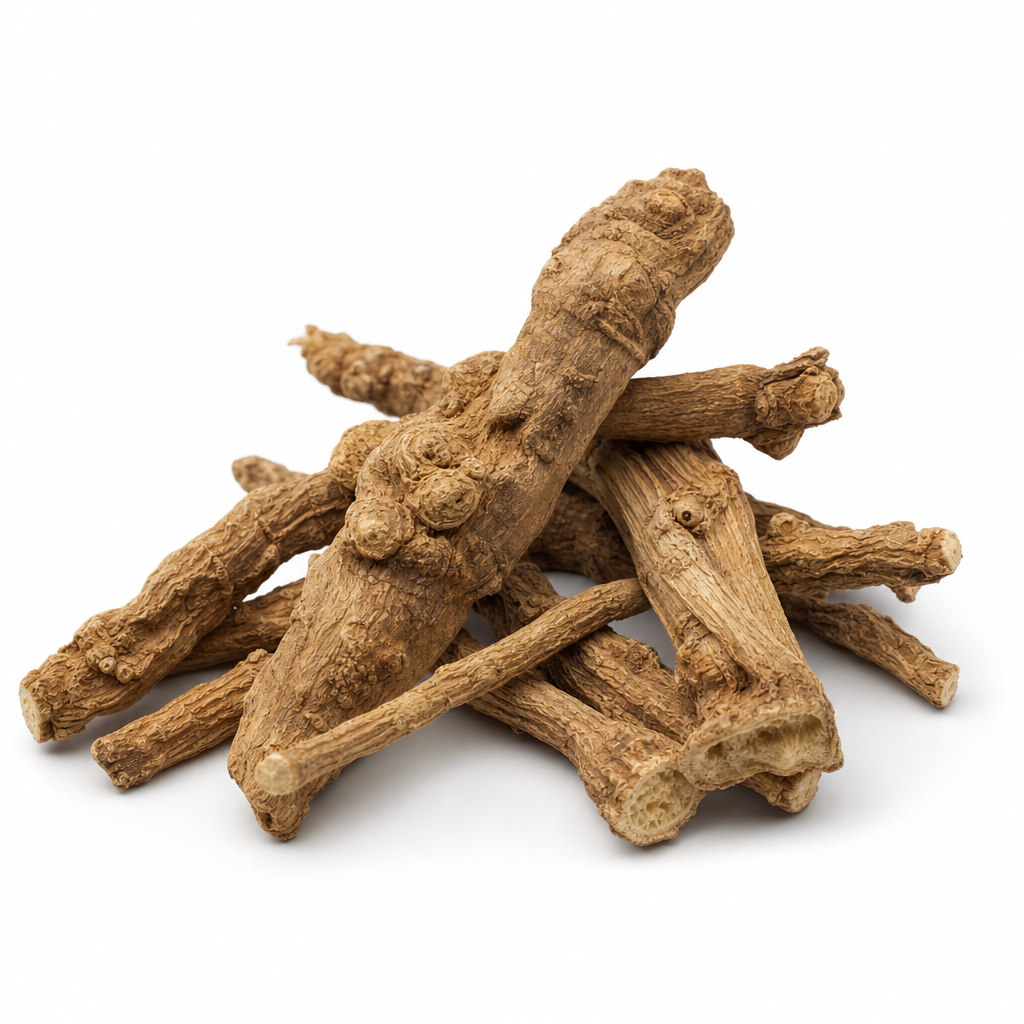
What exactly is gentian root and why do so many digestive supplements include it?
Gentian root is derived from the rhizome and roots of Gentiana lutea, a perennial herb native to the mountainous regions of central and southern Europe, including the Alps and Pyrenees. It is one of the most well-documented bitter botanicals in Western herbal medicine, prized primarily for its intensely bitter compounds — secoiridoid glycosides like amarogentin and gentiopicroside — which are thought to stimulate digestive secretions when tasted or ingested. It is commonly used to support appetite, ease feelings of bloating or fullness after meals, and promote overall digestive comfort, and it frequently appears in digestive bitters blends, capsules, and tinctures formulated for gut support. If you're exploring broader digestive support, it's also worth looking at complementary ingredients like [Aloe Vera](/ingredients/aloe-vera) or [Cascara Sagrada](/ingredients/cascara-sagrada).
Is there actual clinical research backing gentian root for digestion, or is it mostly traditional use?
Gentian root has a meaningful body of evidence supporting its digestive applications, with digestive enzyme stimulation scoring relatively well (evidence score 7.8/10) and appetite and dyspepsia relief also well-supported (7.4/10). Human studies and pharmacological research have demonstrated that its bitter glycosides — particularly amarogentin, one of the most bitter naturally occurring compounds known — can stimulate the secretion of saliva, gastric acid, and bile, which are key steps in efficient digestion. Bile flow enhancement has also been studied with a reasonable evidence base (6.9/10), while anti-inflammatory and antioxidant properties, though observed in laboratory settings, have a more preliminary evidence profile (5.6–5.8/10). Overall, gentian root sits in a stronger evidentiary position than many botanical digestive aids, though large-scale randomized controlled trials in humans remain limited.
Who is most likely to actually notice a benefit from taking gentian root supplements?
People who tend to report the most benefit from gentian root are those experiencing functional digestive complaints such as sluggish digestion, low appetite, bloating, or a sense of fullness and discomfort after meals — a cluster of symptoms sometimes referred to as dyspepsia. It may also be useful for individuals whose digestive systems produce insufficient stomach acid or bile, which can impair the breakdown of fats and proteins. Those who eat large or rich meals infrequently, older adults whose digestive secretions naturally decline with age, or people recovering from illness-related appetite loss are among the populations most commonly associated with gentian root use in clinical and traditional contexts. It is less likely to offer noticeable benefit to people who already have robust digestive function or who are seeking support for conditions beyond functional gut discomfort.
How much gentian root should I take and when is the best time to take it?
The typical effective dose range for gentian root is 200–600 mg of dried root extract per day in capsule or tablet form, while tincture preparations are commonly used at 1–3 mL of a 1:5 tincture before meals. Timing is particularly important with gentian root: it is generally recommended to take it 15–30 minutes before meals, because the bitter taste compounds need to interact with taste receptors in the mouth and upper GI tract to trigger the reflex stimulation of digestive secretions. Tinctures and liquid extracts are often considered preferable to capsules for this reason, since encapsulated forms may bypass some of the oral bitter-taste signaling that drives the mechanism of action. Always follow the dosing guidance on your specific product, as extract concentrations can vary significantly between formulations.
Are there any safety concerns or drug interactions I should know about before taking gentian root?
Gentian root is generally considered safe for most healthy adults when used at recommended doses and for short-to-moderate durations, but there are several important contraindications to be aware of. It should be avoided by people with peptic ulcers, gastroesophageal reflux disease (GERD), or gastritis, because its ability to stimulate gastric acid secretion can worsen these conditions. Gentian root is also not recommended during pregnancy or breastfeeding due to insufficient safety data, and individuals with high blood pressure should use it cautiously, as some traditional sources note potential effects on blood pressure. It may theoretically interact with antacids or acid-suppressing medications (such as proton pump inhibitors) by working against their mechanism, and anyone on prescription medications should consult a healthcare provider before adding gentian root to their routine.
How does gentian root compare to aloe vera for digestive support — are they doing the same thing?
Gentian root and [Aloe Vera](/ingredients/aloe-vera) both support digestive health but through quite different mechanisms, making them more complementary than interchangeable. Gentian root works primarily by stimulating the production of digestive secretions — saliva, stomach acid, and bile — through its intensely bitter compounds, which makes it most relevant for people with sluggish digestion, low appetite, or dyspepsia before or during meals. Aloe vera, by contrast, is better known for its soothing and laxative properties, with its gel fraction used to support gut lining comfort and its latex fraction (anthraquinones) associated with bowel motility — making it more relevant for constipation or gut irritation. If you're looking for a product that combines multiple gut-supportive botanicals, [OPA Colon Sweep – Digestive Regularity, Fiber & Cleansing Support](/products/opa-colon-sweep-daily-detox-support) includes aloe vera alongside other complementary ingredients for broader digestive regularity support. Unlike aloe vera, gentian root is not meaningfully obtainable from common dietary sources in therapeutic amounts, so supplementation is the primary way to access its bitter glycoside content.