
Mucuna Pruriens
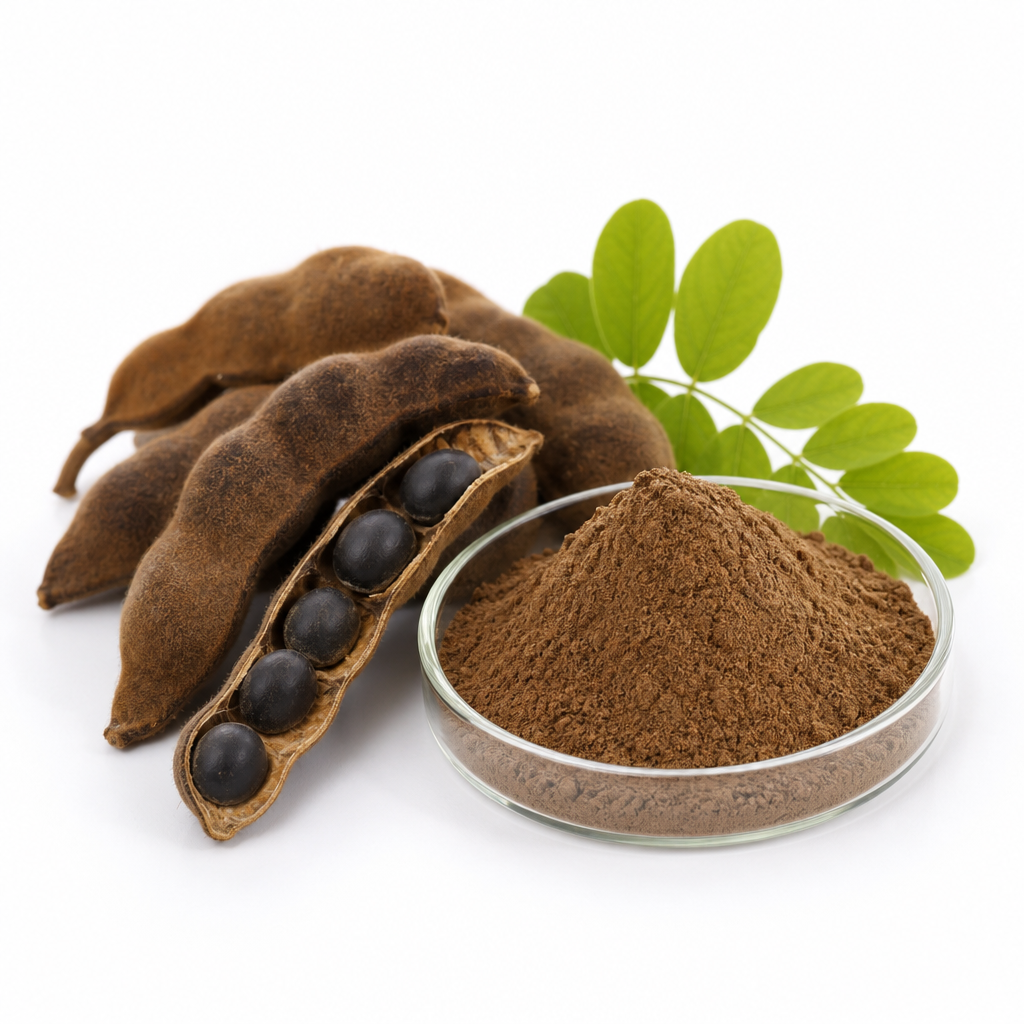
Mucuna pruriens is a tropical legume native to Africa, India, and the Caribbean, long used in Ayurvedic medicine under the name Kapikachhu. The seed extract is particularly prized for its exceptionally high natural content of L-3,4-dihydroxyphenylalanine (L-DOPA), a direct precursor to the neurotransmitter dopamine. Standardized extracts typically contain 15–98% L-DOPA by weight, making Mucuna one of the most potent botanical sources of this compound available. Upon ingestion, L-DOPA crosses the blood-brain barrier and is converted to dopamine, directly influencing mood, motivation, motor control, and hormonal signaling pathways. Beyond its L-DOPA content, Mucuna seeds contain a range of bioactive compounds including serotonin, 5-HTP, tryptamine, beta-carboline alkaloids, and various antioxidants that may contribute synergistically to its effects. Research has explored its applications in supporting neurological health, reproductive function in men, stress resilience, and motor function. Clinical studies in Parkinson's disease patients have demonstrated that Mucuna-derived L-DOPA can produce comparable or superior outcomes to pharmaceutical levodopa preparations, with some evidence suggesting a more favorable side-effect profile due to the presence of natural cofactors. In the wellness and sports nutrition space, Mucuna pruriens is primarily used to support mood, cognitive drive, testosterone levels, and stress hormone regulation. Human trials have shown significant reductions in cortisol and improvements in testosterone and luteinizing hormone (LH) in infertile men. Its adaptogenic-like properties and dopaminergic activity make it a popular ingredient in nootropic stacks, male fertility formulas, and mood-support supplements. Dosing and standardization vary widely across products, and users should pay close attention to the percentage of L-DOPA in any given extract.
What it's proven to support
Evidence confidence for each benefit area, from verified research.
Related ingredients
Frequently formulated and compared with Mucuna Pruriens.
Shop verified products
View all 1 →
Buyer questions
What exactly is Mucuna Pruriens and why do people take it as a supplement?
Is there actual clinical research backing up Mucuna Pruriens, or is it mostly traditional use?
Who is Mucuna Pruriens actually a good fit for — is it just for men or does it have broader uses?
How much Mucuna Pruriens should I take daily, and does it matter when I take it or what I eat?
Are there any safety concerns or drug interactions I should know about before taking Mucuna Pruriens?
How does Mucuna Pruriens compare to Horny Goat Weed for men's health — are they doing the same thing?
Research
1 verified products, scored ingredients, real research.