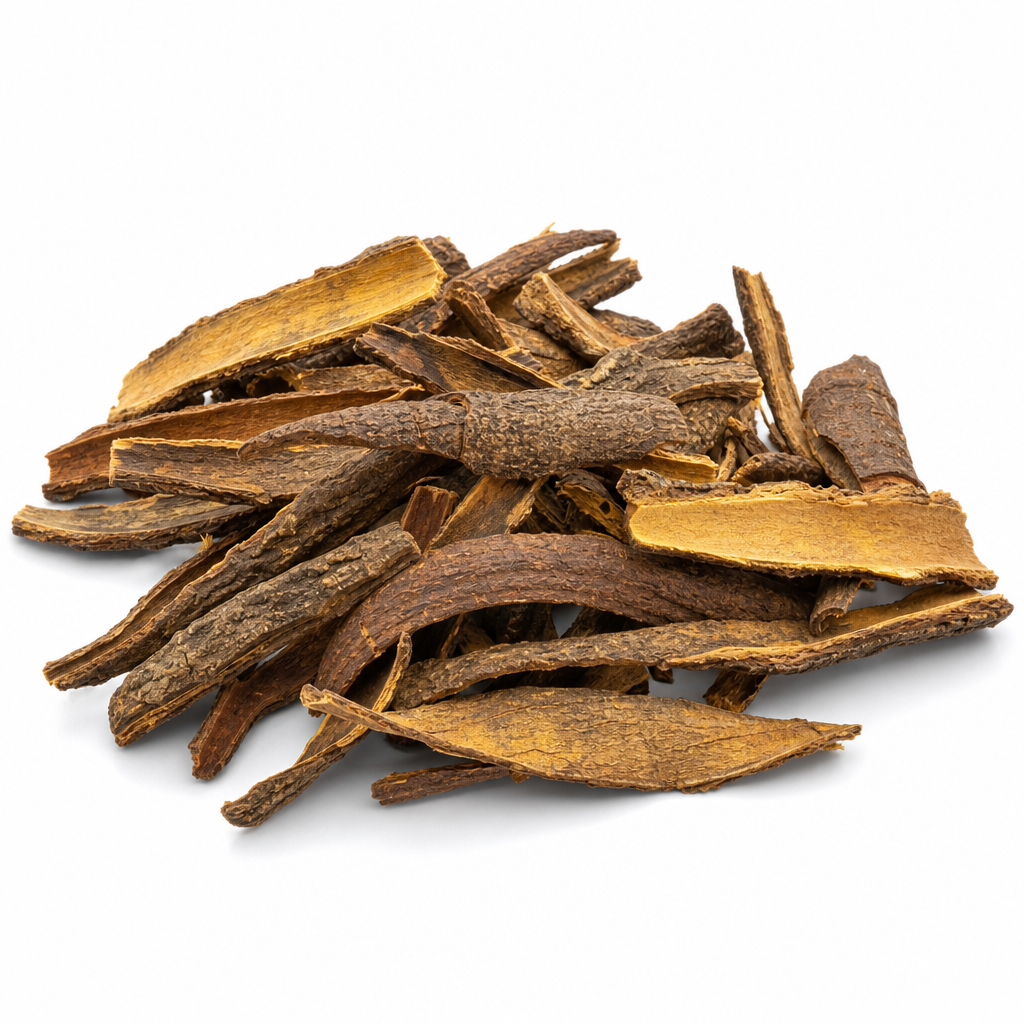
What exactly is Cascara Sagrada and why do people take it?
Cascara Sagrada is a botanical extract made from the dried bark of Rhamnus purshiana, a shrub native to the Pacific Northwest of North America. It is most commonly used as a stimulant laxative to support bowel regularity and relieve occasional constipation. The bark contains compounds called cascarosides and anthraquinone glycosides, which are metabolized in the colon and may stimulate intestinal muscle contractions to encourage a bowel movement. It has historically been used in both traditional Indigenous medicine and formal pharmacopoeial preparations in the United States. If you're looking for a product that combines Cascara Sagrada with complementary digestive ingredients, see [OPA Colon Sweep](/products/opa-colon-sweep-daily-detox-support).
Is there actual clinical evidence that Cascara Sagrada works for constipation, or is it mostly traditional use?
Cascara Sagrada has a reasonably strong evidence base for its primary use as a stimulant laxative, with evidence scores in the range of 7–8 out of 10 for stimulant laxative relief and colon motility support. Its active compounds, the cascarosides, are well-characterized pharmacologically — they are converted by colonic bacteria into aglycones that stimulate peristalsis and inhibit water reabsorption in the large intestine, producing a bowel movement typically within 6–12 hours. Evidence for stool softening and short-term bowel regularity is also reasonably supported, though long-term use has not been well-studied and is generally not recommended. Emerging research into its prebiotic-like interactions with gut microbiota is preliminary, with an evidence score around 5.7/10, and may be worth exploring alongside ingredients like [Lactobacillus acidophilus](/ingredients/lactobacillus-acidophilus) or [Bifidobacterium lactis](/ingredients/bifidobacterium-lactis).
Who is Cascara Sagrada actually a good fit for — is it something anyone should take regularly?
Cascara Sagrada is most appropriate for adults experiencing occasional, short-term constipation who are looking for a botanically-derived stimulant laxative option. It is not considered suitable for long-term daily use, as chronic use of stimulant laxatives can lead to dependence, electrolyte imbalances, and reduced natural bowel tone over time. People with irritable bowel syndrome, inflammatory bowel disease, intestinal obstruction, or those who are pregnant or breastfeeding are generally advised to avoid it. Those seeking gentler, longer-term digestive support may be better served by prebiotic ingredients like [fructooligosaccharides](/ingredients/fructooligosaccharides) or [Lactobacillus plantarum](/ingredients/lactobacillus-plantarum) rather than a stimulant laxative.
How much Cascara Sagrada should I actually take, and does the timing matter?
Standardized Cascara Sagrada extracts are typically used in a range of 20–300 mg per day, standardized to cascarosides, while traditional dried bark preparations have historically been used at around 1–2 grams. Because the mechanism of action produces a bowel movement roughly 6–12 hours after ingestion, taking it in the evening before bed is generally recommended so that the effect occurs the following morning. It is important to start at the lower end of the dose range and use the minimum effective amount for the shortest duration necessary. Always follow the dosing guidance on the specific product label, such as [OPA Colon Sweep](/products/opa-colon-sweep-daily-detox-support), which combines Cascara Sagrada with other digestive support ingredients.
Are there any safety concerns or drug interactions I should know about before trying Cascara Sagrada?
Cascara Sagrada carries several important safety considerations: it should not be used for more than 1–2 weeks continuously without medical guidance, as prolonged use may cause electrolyte imbalances (particularly low potassium), laxative dependence, and a condition called melanosis coli (harmless darkening of the colon lining). It may interact with medications that are affected by potassium levels, including cardiac glycosides like digoxin, diuretics, and corticosteroids. The FDA removed Cascara Sagrada from its over-the-counter laxative monograph in 2002 due to insufficient safety data for long-term use, so it is now sold as a dietary supplement rather than an OTC drug. Individuals taking prescription medications or with chronic digestive conditions should consult a healthcare provider before use; those interested in a gentler companion ingredient might consider [Aloe Vera](/ingredients/aloe-vera) or [Gentian Root](/ingredients/gentian-root).
How does Cascara Sagrada compare to Aloe Vera for digestive support — are they basically doing the same thing?
Cascara Sagrada and [Aloe Vera](/ingredients/aloe-vera) are both botanicals used to support bowel regularity, but they work through somewhat different mechanisms and have different evidence profiles. Cascara Sagrada is a classic stimulant laxative — its cascarosides directly stimulate colonic muscle contractions and reduce water reabsorption, making it faster-acting and more potent for acute constipation relief. Aloe Vera's laxative effect, when present, comes primarily from anthraquinones in the latex portion of the leaf (aloin), though most commercial aloe products use the inner gel, which has a much milder effect and is more commonly associated with soothing the gut lining. For someone needing reliable short-term constipation relief, Cascara Sagrada is generally considered more pharmacologically active, while Aloe Vera may be better suited to those looking for gentler, ongoing digestive comfort; products like [OPA Colon Sweep](/products/opa-colon-sweep-daily-detox-support) combine both alongside other ingredients for a broader approach.