BOTANICAL EXTRACT · GENERALLY SAFE

Mucuna Pruriens

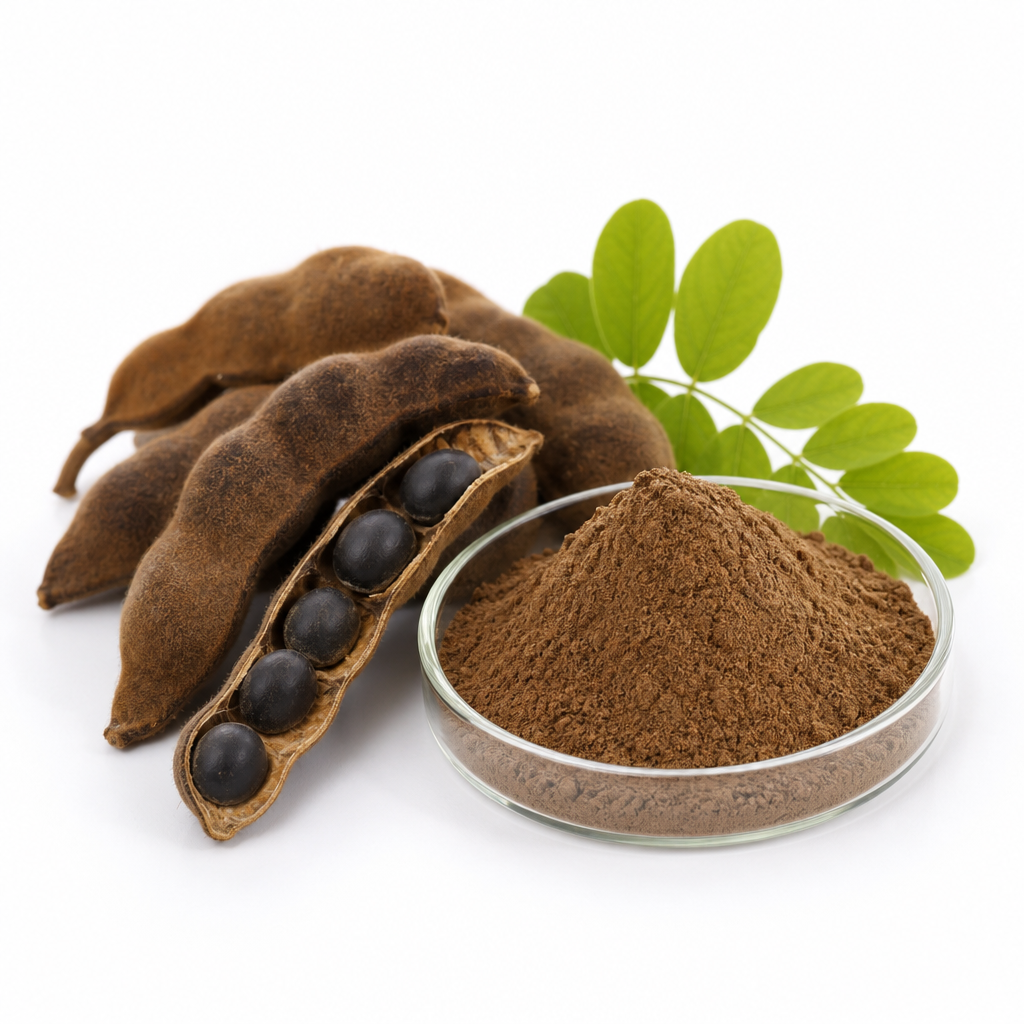
Mucuna pruriens is a tropical legume native to Africa, India, and the Caribbean, long used in Ayurvedic medicine under the name Kapikachhu. The seed extract is particularly prized for its exceptionally high natural content of L-3,4-dihydroxyphenylalanine (L-DOPA), a direct precursor to the neurotransmitter dopamine. Standardized extracts typically contain 15–98% L-DOPA by weight, making Mucuna one of the most potent botanical sources of this compound available. Upon ingestion, L-DOPA crosses the blood-brain barrier and is converted to dopamine, directly influencing mood, motivation, motor control, and hormonal signaling pathways. Beyond its L-DOPA content, Mucuna seeds contain a range of bioactive compounds including serotonin, 5-HTP, tryptamine, beta-carboline alkaloids, and various antioxidants that may contribute synergistically to its effects. Research has explored its applications in supporting neurological health, reproductive function in men, stress resilience, and motor function. Clinical studies in Parkinson's disease patients have demonstrated that Mucuna-derived L-DOPA can produce comparable or superior outcomes to pharmaceutical levodopa preparations, with some evidence suggesting a more favorable side-effect profile due to the presence of natural cofactors. In the wellness and sports nutrition space, Mucuna pruriens is primarily used to support mood, cognitive drive, testosterone levels, and stress hormone regulation. Human trials have shown significant reductions in cortisol and improvements in testosterone and luteinizing hormone (LH) in infertile men. Its adaptogenic-like properties and dopaminergic activity make it a popular ingredient in nootropic stacks, male fertility formulas, and mood-support supplements. Dosing and standardization vary widely across products, and users should pay close attention to the percentage of L-DOPA in any given extract.
7.6
Evidence / 10
Moderate
Top benefit
1+
Verified products
Mucuna Pruriens

What it's proven to support

Evidence confidence for each benefit area, from verified research.

Related ingredients

Frequently formulated and compared with Mucuna Pruriens.

HOW MUCH
300–500 mg/day (standardized to 15% L-DOPA); up to 5 g/day for whole seed powder
WHEN
Morning or early afternoon; away from protein-rich meals for optimal L-DOPA absorption
SAFETY
Generally Safe

Shop verified products

View all 1

Buyer questions

What exactly is Mucuna Pruriens and why do people take it as a supplement?
Mucuna pruriens, also known as velvet bean or Kapikachhu in Ayurvedic tradition, is a tropical legume whose seeds contain exceptionally high concentrations of L-DOPA, a direct biochemical precursor to dopamine. It is commonly used to support mood, motivation, and neurological health, and has a long history of use in Ayurvedic medicine for male vitality and nervous system support. Because L-DOPA crosses the blood-brain barrier and converts to dopamine, Mucuna is also studied for its potential role in motor function and stress resilience. If you're exploring complementary botanicals for vitality, [Maca Root](/ingredients/maca-root) and [Panax Ginseng Root](/ingredients/panax-ginseng-root) are frequently paired with Mucuna in men's wellness formulas.
Is there actual clinical research backing up Mucuna Pruriens, or is it mostly traditional use?
Mucuna pruriens has meaningful clinical research behind several of its uses, not just traditional anecdote. Human trials have found that standardized Mucuna seed powder may support dopaminergic activity and motor function, with some studies in Parkinson's patients showing L-DOPA delivery comparable to pharmaceutical preparations. Research has also documented improvements in sperm quality, testosterone levels, and cortisol reduction in infertile men under stress, giving it evidence scores in the 7.5–8.7 range across mood, fertility, and neurological health domains. Its antioxidant and growth hormone modulation effects are supported by preliminary data but are considered less robustly established at this time.
Who is Mucuna Pruriens actually a good fit for — is it just for men or does it have broader uses?
Mucuna pruriens may be particularly beneficial for men dealing with low motivation, suboptimal testosterone, or fertility concerns, as clinical studies have focused heavily on male reproductive health and stress-related hormonal imbalance. However, its dopamine-supporting and neuroprotective properties are not gender-specific, and individuals experiencing low mood, mental fatigue, or age-related cognitive changes may also find it relevant. People with a clinical interest in motor function support — such as those with early neurological concerns — represent another group for whom Mucuna has been studied. For men specifically looking for a multi-ingredient vitality formula, [OPA Horny Goat Weed Capsules](/products/opa-horny-goat-weed-libido-circulation) combines several complementary botanicals including Maca and Panax Ginseng.
How much Mucuna Pruriens should I take daily, and does it matter when I take it or what I eat?
For standardized extracts (typically 15% L-DOPA), a common dose range is 300–500 mg per day, while whole seed powder is used at much higher amounts, sometimes up to 5 g per day in research settings. Timing and food context matter significantly: L-DOPA competes with dietary amino acids for absorption across the gut and blood-brain barrier, so taking Mucuna on an empty stomach or away from high-protein meals is generally recommended to maximize uptake. Morning or early afternoon dosing is preferred to align with natural dopamine rhythms and avoid potential interference with sleep. Starting at the lower end of the dose range and assessing tolerance before increasing is a prudent approach.
Are there any safety concerns or drug interactions I should know about before taking Mucuna Pruriens?
Mucuna pruriens carries meaningful safety considerations, primarily because its active compound L-DOPA is pharmacologically potent. It should not be combined with MAO inhibitors (MAOIs), conventional L-DOPA medications, or antipsychotic drugs without direct medical supervision, as interactions can be serious. People with a history of melanoma, cardiovascular conditions, schizophrenia, or bipolar disorder should consult a healthcare provider before use, and it is not recommended during pregnancy. At higher doses, nausea, vivid dreams, and cardiovascular effects have been reported; stacking it with stimulant ingredients like [Caffeine](/ingredients/caffeine) or [Green Tea](/ingredients/green-tea) extract warrants caution given additive stimulatory potential.
How does Mucuna Pruriens compare to Horny Goat Weed for men's health — are they doing the same thing?
Mucuna pruriens and [Horny Goat Weed (Epimedium)](/ingredients/horny-goat-weed-epimedium) target men's health through entirely different mechanisms, so they are not interchangeable. Mucuna works primarily by supplying L-DOPA to support dopamine synthesis, which may influence testosterone, mood, and fertility, while Horny Goat Weed's active compound icariin acts mainly as a PDE5 inhibitor to support circulation and erectile function. Mucuna has stronger clinical evidence for sperm quality and hormonal stress response, whereas Horny Goat Weed is more studied for blood flow and libido signaling. The two are often combined in men's vitality formulas precisely because their mechanisms are complementary rather than redundant, as seen in products like [OPA Horny Goat Weed Capsules](/products/opa-horny-goat-weed-libido-circulation).

Research

Ready to compare Mucuna Pruriens products?

1 verified products, scored ingredients, real research.