What exactly is riboflavin and why do people take it as a supplement?
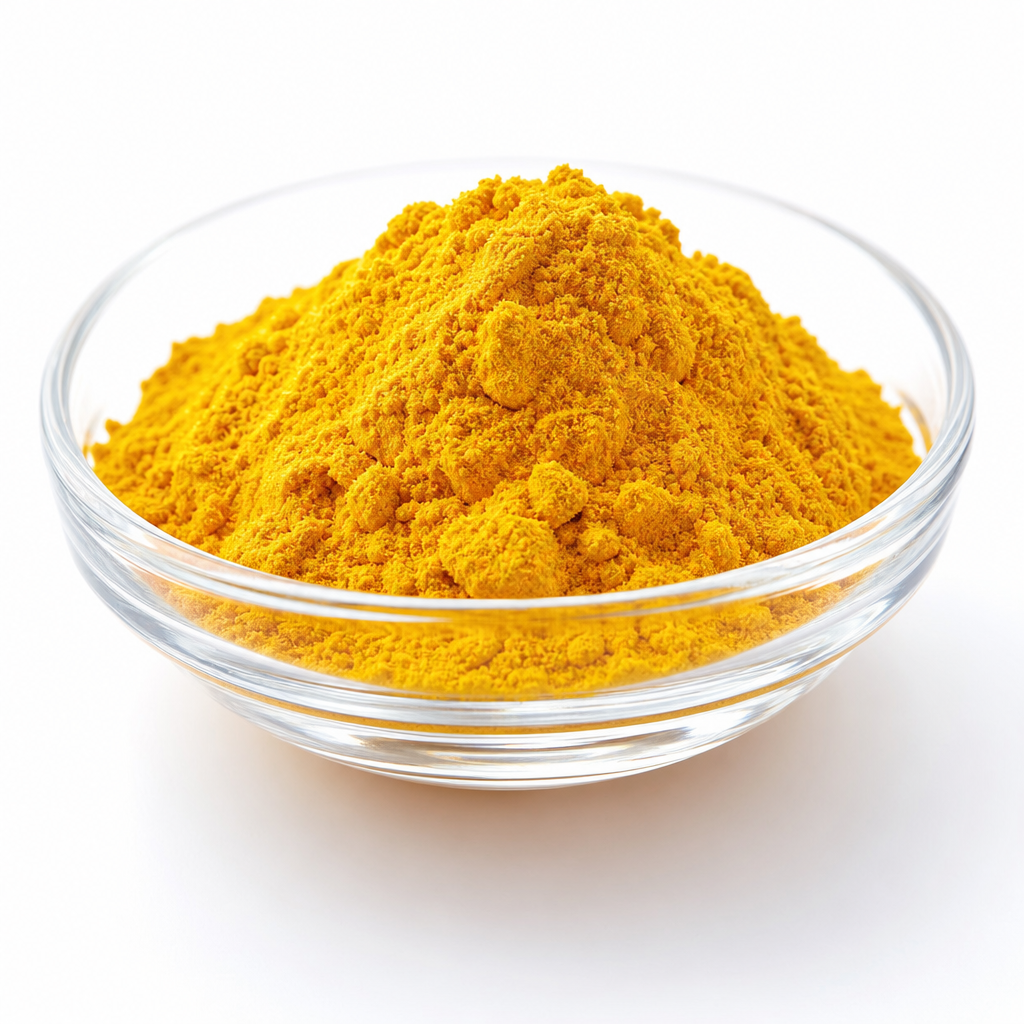
Riboflavin, also known as Vitamin B2, is a water-soluble B vitamin that the body uses to produce two critical coenzymes — flavin mononucleotide (FMN) and flavin adenine dinucleotide (FAD) — which are essential for converting carbohydrates, fats, and proteins into usable cellular energy. Beyond energy metabolism, it is commonly used to support antioxidant recycling, healthy skin and eye function, red blood cell formation, and — at higher doses — the management of migraine frequency. Because the body cannot store riboflavin in significant amounts, consistent daily intake through food or supplementation is necessary. It is naturally present in dairy, eggs, meat, and leafy greens, but supplemental forms are widely used to close dietary gaps or achieve therapeutic dose ranges.
How strong is the clinical evidence behind riboflavin supplements — is it actually backed by research?
Riboflavin's role in cellular energy production is among the most well-established in nutritional science, with an evidence score of 9.1/10 reflecting decades of biochemical and clinical research confirming its function as a coenzyme precursor. Its use for migraine frequency management is also notably well-supported (evidence score 8.5/10), with multiple randomized controlled trials — including a landmark 1998 study published in Neurology — finding that 400 mg/day significantly reduced migraine attack frequency compared to placebo. Antioxidant defense recycling (7.8/10) and red blood cell formation (7.6/10) are additional areas with solid mechanistic and clinical backing. Compared to many wellness ingredients, riboflavin has an unusually strong evidence base across several distinct health applications.
Who is most likely to actually benefit from taking a riboflavin supplement?
People most likely to benefit include those with dietary restrictions that limit intake of riboflavin-rich foods — such as vegans, vegetarians, or individuals avoiding dairy and eggs — as well as older adults, pregnant and breastfeeding women, and people with malabsorption conditions like Crohn's disease or celiac disease. Athletes and individuals with high metabolic demands may also have elevated riboflavin needs due to increased energy turnover. Those who experience frequent migraines are a particularly well-studied population, as high-dose riboflavin (200–400 mg/day) has been studied specifically for reducing attack frequency. Riboflavin also works synergistically with other B vitamins, so individuals taking [Biotin](/ingredients/biotin) or [Vitamin B1](/ingredients/as-dl-alpha-tocopheryl-50-vitamin-b1) may find that ensuring adequate B2 status supports overall B-vitamin metabolism.
How much riboflavin should I take and does it matter when I take it?
The recommended dietary allowance (RDA) for riboflavin is 1.1 mg/day for adult women and 1.3 mg/day for adult men, which is sufficient to prevent deficiency and support normal metabolic function. For migraine frequency management — the most studied therapeutic application — clinical trials have used doses of 200–400 mg/day, which is substantially higher than the RDA and should be considered only with healthcare provider guidance. Because riboflavin is water-soluble and absorption is enhanced in the presence of food, it is best taken with a meal; morning dosing is common when the goal is energy support. If you are looking for a multi-ingredient formula that includes riboflavin alongside complementary nootropic and energy-supporting compounds, [OPA Neuro Plus](/products/opa-neuro-plus-cognitive-clarity) is one option worth reviewing.
Is it better to get riboflavin from food or supplements, and how does it compare to something like potassium for filling nutritional gaps?
Riboflavin from whole food sources — dairy, eggs, organ meats, and leafy greens — is well-absorbed and comes packaged with complementary nutrients, making food-first intake a reasonable baseline strategy for most people. However, supplemental riboflavin is highly bioavailable and becomes practically necessary when dietary intake is consistently insufficient or when therapeutic doses (such as 400 mg/day for migraines) are the goal, since achieving those levels through food alone would be unrealistic. [Potassium (Amino Chelate/Citrate)](/ingredients/amino-chelate-potassium), by contrast, is a mineral rather than a B vitamin and addresses an entirely different physiological function — primarily fluid balance, nerve signaling, and blood pressure regulation — so the two are not interchangeable and serve complementary rather than competing roles in a supplement regimen. For broader energy and metabolic support, riboflavin pairs well with ingredients like [L-Carnitine](/ingredients/l-carnitine) and [Panax Ginseng Root](/ingredients/panax-ginseng-root), which operate through distinct but synergistic pathways.
Are there any safety concerns, side effects, or drug interactions I should know about before taking riboflavin?
Riboflavin has a well-established safety profile and is generally considered very safe even at high doses, largely because excess amounts are excreted in urine — which will turn bright yellow or neon, a harmless but sometimes alarming side effect. No established tolerable upper intake level (UL) has been set by major health authorities, as toxicity from oral riboflavin has not been demonstrated in clinical studies. That said, certain medications may interact with riboflavin metabolism, including tricyclic antidepressants, some antipsychotics, and doxorubicin (a chemotherapy agent), so individuals on these medications should consult a healthcare provider before supplementing. People with riboflavin transporter deficiency, a rare genetic condition, require medical supervision for riboflavin therapy.