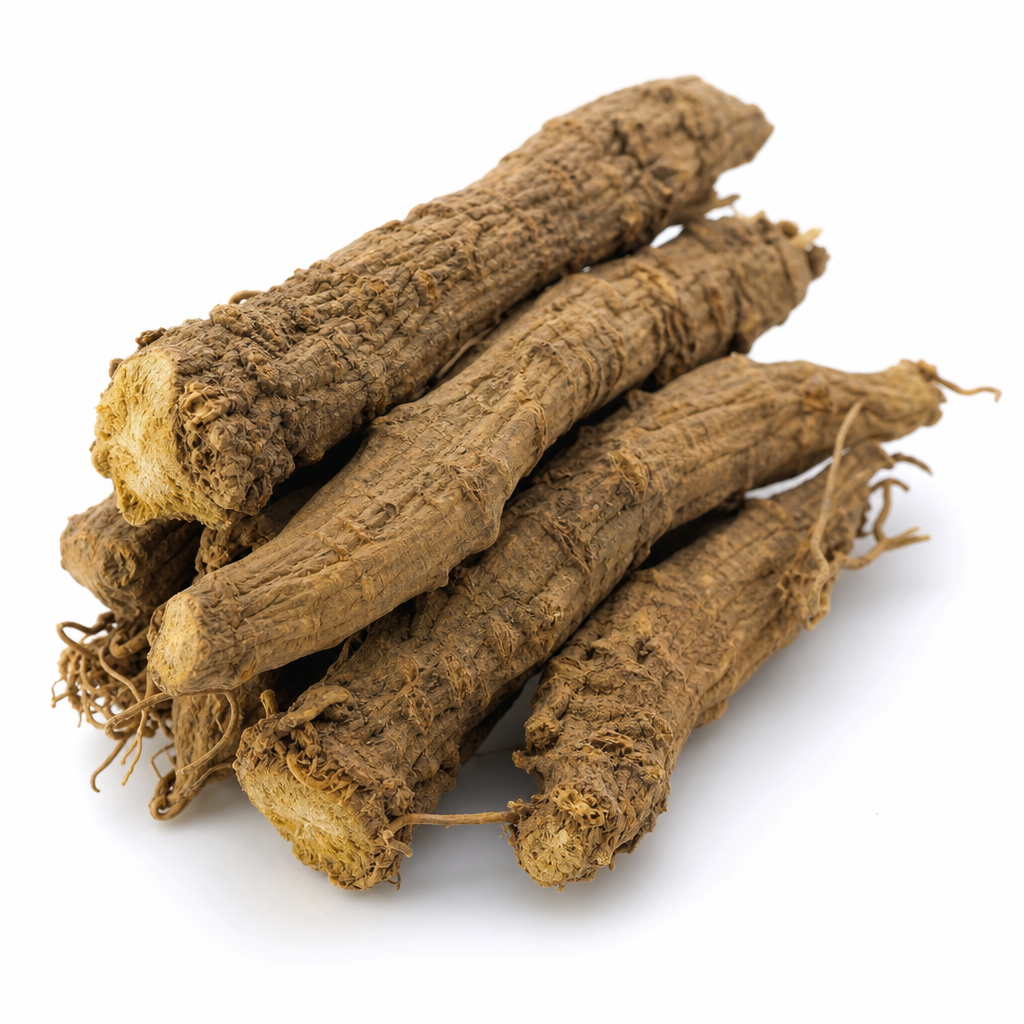
What exactly is goldenseal root and why do people take it as a supplement?
Goldenseal root (Hydrastis canadensis) is a perennial plant native to eastern North America whose rhizome and root have been used medicinally for centuries by Indigenous peoples including the Cherokee and Iroquois nations. Today it is commonly used to support upper respiratory health, digestive function, and antimicrobial defense, largely due to its naturally occurring alkaloids — most notably berberine and hydrastine. It is available in capsules, tinctures, teas, and topical creams, and is often sought out during cold and flu season or for short-term gut support. If you're exploring gut-focused formulas that pair well with botanical extracts, [OPA Colon Sweep](/products/opa-colon-sweep-daily-detox-support) is one product that combines complementary digestive ingredients.
Is there actual clinical evidence that goldenseal root does anything, or is it mostly traditional use?
The evidence for goldenseal root is a mix of traditional use, in vitro research, and a growing body of human studies — much of it centered on its primary alkaloid, berberine, rather than the whole root extract. Antimicrobial activity has the strongest research backing (evidence score ~7.8/10), with studies showing berberine can inhibit a range of bacteria and some fungi in laboratory settings. Digestive and gut health support scores reasonably well (~6.9/10), while immune modulation and topical wound support have more limited human trial data. It's worth noting that most clinical research isolates berberine specifically, so extrapolating findings directly to goldenseal root supplements requires some caution.
Who is goldenseal root actually a good fit for — is it something most people should be taking regularly?
Goldenseal root is generally considered most appropriate for adults seeking short-term support during acute situations — such as upper respiratory discomfort, mild digestive upset, or occasional immune challenges — rather than as a daily long-term supplement. People with a history of digestive irregularity or those looking to support gut mucosal health may find it particularly relevant, and it is sometimes paired with probiotics like [Lactobacillus acidophilus](/ingredients/lactobacillus-acidophilus) for a more comprehensive gut approach. It is not typically recommended as a preventive supplement for healthy individuals without a specific reason, and its use is generally advised for cycles of 2–4 weeks at a time. Pregnant or breastfeeding individuals, and those on certain medications, should consult a healthcare provider before use.
How much goldenseal root should I actually be taking, and does it matter when I take it?
The commonly studied dose range for dried goldenseal root is 500–1,000 mg per day, typically standardized to contain 5–10% berberine to ensure consistent alkaloid content. Most practitioners and product guidelines recommend short-term use of 2–4 weeks rather than continuous supplementation, given the potency of its active alkaloids and limited long-term safety data. Taking goldenseal with meals is advisable to reduce the gastrointestinal discomfort — such as nausea or cramping — that some users experience on an empty stomach. Tinctures and standardized extracts are generally preferred over plain powders for better bioavailability, since the key alkaloids are water- and alcohol-soluble.
Are there any safety concerns or drug interactions I should know about before taking goldenseal root?
Goldenseal root carries several important safety considerations: its primary alkaloid berberine can inhibit cytochrome P450 enzymes (particularly CYP3A4 and CYP2D6), which means it may interact with a wide range of prescription medications including blood thinners, certain antibiotics, and drugs metabolized by those pathways. It is contraindicated during pregnancy because berberine has been associated with uterine stimulation and potential harm to the fetus, and it should be avoided while breastfeeding. Long-term or high-dose use may disrupt the balance of beneficial gut bacteria, which is one reason it is typically recommended only for short cycles. People with liver conditions, low blood pressure, or those taking immunosuppressants should consult a healthcare provider before use.
How does goldenseal root compare to aloe vera for gut and digestive support — are they doing the same thing?
Goldenseal root and [aloe vera](/ingredients/aloe-vera) both have applications in digestive health, but they work through quite different mechanisms and are suited to different situations. Goldenseal's benefits are driven primarily by antimicrobial and anti-inflammatory alkaloids like berberine, making it more relevant when gut discomfort may have a microbial or inflammatory component — and it is typically used short-term. Aloe vera, by contrast, is better known for its soothing, mucilaginous properties that may support gut lining comfort and regularity, and it is more commonly used as an ongoing supplement. The two are sometimes found together in digestive formulas; for example, [OPA Colon Sweep](/products/opa-colon-sweep-daily-detox-support) combines aloe vera with other gut-supportive botanicals for a complementary approach to digestive regularity.