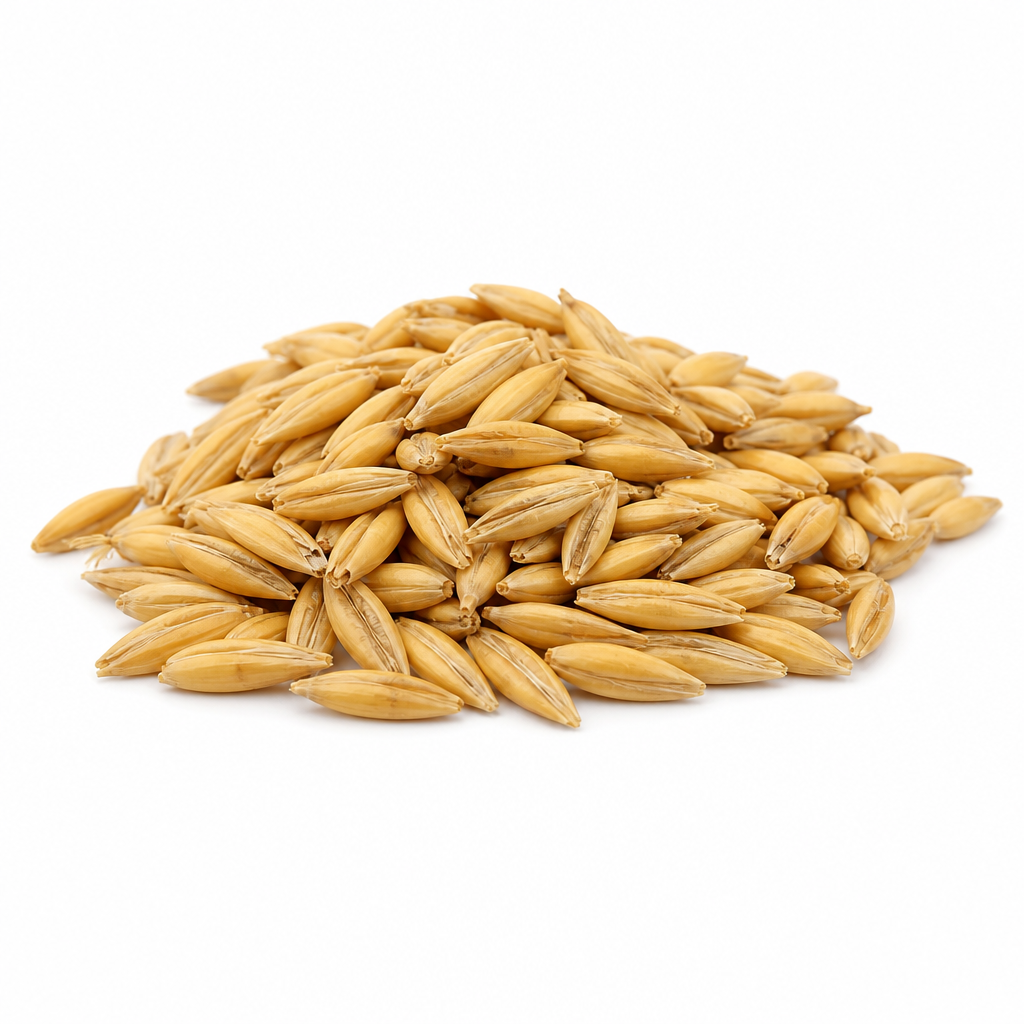
What exactly is oat seed and why do people take it as a supplement?
Oat seed (Avena sativa) is the harvested grain of the common oat plant and one of the most extensively studied functional foods in nutritional science. It is particularly rich in a soluble fiber called beta-glucan, which forms a viscous gel in the digestive tract and is primarily responsible for oat's well-documented effects on cholesterol, blood sugar, and gut health. People commonly use oat seed or concentrated beta-glucan supplements to support cardiovascular health, digestive regularity, and healthy blood glucose levels after meals. It is available in many forms, from whole rolled oats and oat bran powder to concentrated beta-glucan capsules, and pairs well with other fiber-rich ingredients like [psyllium husk](/ingredients/psyllium-husk).
How strong is the actual clinical evidence behind oat beta-glucan for cholesterol and blood sugar?
The evidence for oat beta-glucan's effect on LDL cholesterol is among the strongest of any dietary fiber, earning a 9.2/10 evidence score and supporting an FDA-authorized health claim that at least 3 g of beta-glucan per day may reduce the risk of heart disease. For postprandial blood glucose control, the evidence is also robust (8.6/10), with multiple randomized controlled trials showing that the viscous gel formed by beta-glucan slows glucose absorption and blunts the glycemic response to a meal. Prebiotic support for the gut microbiome and satiety effects are also well-studied, though with somewhat more variability across populations. Oat beta-glucan is one of the few dietary fiber ingredients with regulatory-backed structure/function recognition in both the US and EU.
Who is most likely to actually benefit from adding oat seed or beta-glucan to their routine?
People who may benefit most include those looking to support healthy LDL cholesterol levels, individuals managing blood sugar responses after meals, and anyone seeking to improve digestive regularity through increased soluble fiber intake. Adults who do not consistently eat whole grains or whose diets are low in dietary fiber are also strong candidates, since most people in Western countries fall well short of recommended daily fiber intake. Oat beta-glucan's prebiotic properties may also make it useful for those focused on gut microbiome diversity, and it works synergistically with other prebiotic fibers like [fructooligosaccharides](/ingredients/fructooligosaccharides) and probiotic strains such as [Lactobacillus acidophilus](/ingredients/lactobacillus-acidophilus). Those with celiac disease or confirmed oat sensitivity should consult a healthcare provider before supplementing.
How much oat beta-glucan should I actually be taking, and does it matter when I eat it?
The clinically studied and FDA-recognized threshold for cholesterol support is at least 3 g of beta-glucan per day, which is roughly equivalent to 60 g of dry rolled oats or about 40 g of oat bran. For blood glucose management, research generally supports the same 3 g minimum, though some studies use up to 10 g per day for more pronounced effects. Timing matters: consuming oat beta-glucan with or just before meals is recommended to maximize its gel-forming effect in the gut, which is what slows glucose and cholesterol absorption. If you are using a concentrated beta-glucan supplement rather than whole oats, check the label carefully, as beta-glucan content varies significantly by product and processing method.
Are there any safety concerns, drug interactions, or side effects I should know about before taking oat supplements?
Oat seed and beta-glucan supplements are generally recognized as safe for most adults, with the most common side effects being mild and gastrointestinal in nature — including bloating, gas, or loose stools — particularly when fiber intake is increased too quickly. People with celiac disease should be cautious, as oats are frequently cross-contaminated with gluten during processing, though certified gluten-free oat products are available. Because soluble fiber can slow the absorption of nutrients and some medications, it is advisable to take oat supplements at least 1–2 hours apart from prescription drugs, particularly those for cholesterol or diabetes, to avoid interference. Individuals with rare conditions involving difficulty swallowing or esophageal narrowing should avoid high-viscosity fiber supplements without medical guidance.
How does oat seed compare to aloe vera for digestive support, and is it better to get fiber from food or a supplement?
Oat seed and [Aloe Vera](/ingredients/aloe-vera) work through quite different mechanisms: oat beta-glucan is a soluble, fermentable fiber that feeds beneficial gut bacteria and adds bulk to stool, while aloe vera is more commonly used for its potential soothing and laxative properties in the lower GI tract. For general digestive regularity and prebiotic support, oat beta-glucan has a substantially stronger and more consistent evidence base. Getting beta-glucan from whole food sources like oat bran or rolled oats is ideal because you also get additional nutrients, but concentrated supplements are a practical option for those who need a precise, consistent dose without the caloric load of whole grains. If you are looking for a multi-ingredient digestive support formula, [OPA Colon Sweep](/products/opa-colon-sweep-daily-detox-support) combines fiber-based ingredients including psyllium, aloe vera, and rhubarb for broader digestive regularity support.