
Cellulose (Vegetable Capsule)
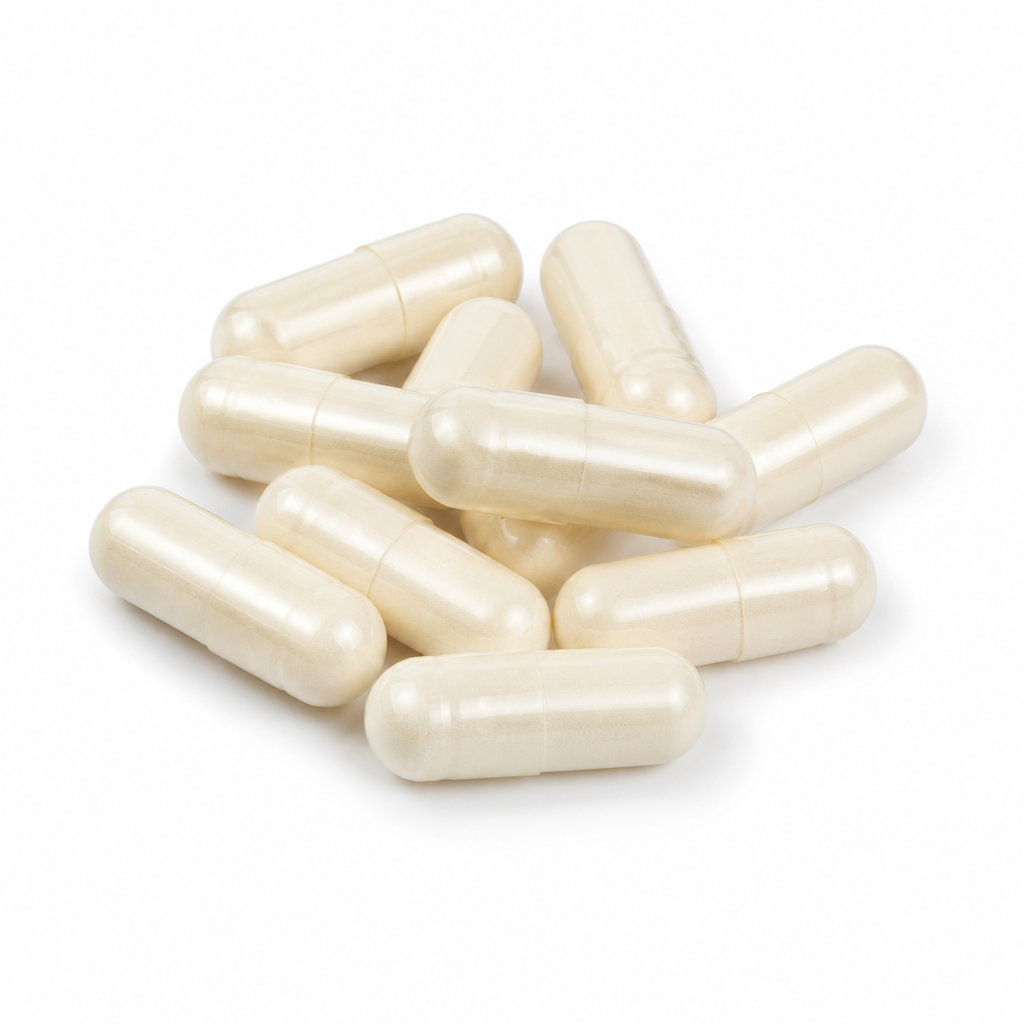
Cellulose in the context of supplements most commonly refers to the plant-derived polymer used to form vegetable capsules — specifically hydroxypropyl methylcellulose (HPMC) — as well as microcrystalline cellulose (MCC), which serves as a filler and binder in tablets and capsules. Derived from plant cell walls, cellulose-based capsules have become the go-to alternative to traditional gelatin capsules for consumers following vegetarian, vegan, or halal and kosher dietary practices. Shoppers actively seek out products labeled 'vegetable capsule' or 'vegan capsule' as a signal of cleaner, plant-sourced formulation standards. In supplement formulas, cellulose plays two distinct roles. As a capsule shell (HPMC), it encases the active ingredients and dissolves predictably in the digestive tract, offering stable release characteristics and good moisture resistance compared to gelatin. As microcrystalline cellulose, it acts as an excipient — a filler, binder, or flow agent — that helps manufacturers achieve consistent capsule fill weights and tablet integrity without contributing active pharmacological effects. It is considered inert and non-reactive with most active ingredients. When comparing products, buyers should look at whether the capsule material is explicitly listed as HPMC or vegetable-derived, especially if avoiding animal-derived gelatin is a priority. It is also worth noting that cellulose excipients like MCC are generally present in small amounts and do not meaningfully affect the efficacy of the active ingredients. Products using cellulose capsules are widely available across virtually every supplement category, making it one of the most universally encountered ingredients on any supplement label.
What it's proven to support
Evidence confidence for each benefit area, from verified research.
Related ingredients
Frequently formulated and compared with Cellulose (Vegetable Capsule).
Shop verified products
View all 3 →


Buyer questions
What exactly is cellulose in a vegetable capsule, and why do supplement companies use it?
Is there actual research supporting the use of HPMC vegetable capsules, or is it just a packaging choice?
Who actually benefits from taking supplements that use vegetable capsules instead of gelatin ones?
How much cellulose is actually in a vegetable capsule, and does it contribute any fiber to my diet?
Are there any safety concerns, drug interactions, or people who should avoid supplements in vegetable capsules?
How does a vegetable capsule made from cellulose compare to aloe vera as an ingredient — are they doing similar things?
Research
3 verified products, scored ingredients, real research.