
Amino Acid
Evidence-scored ingredients, verified by research.
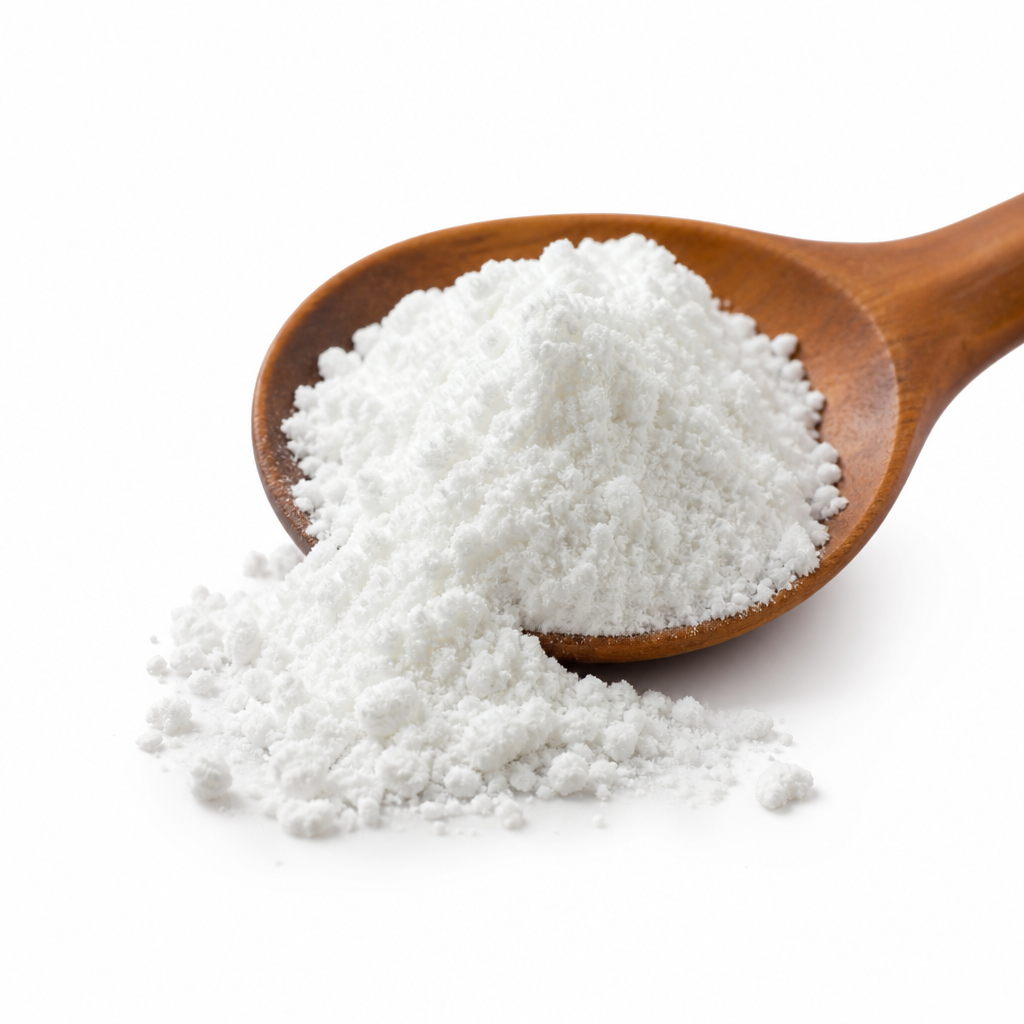
What are Amino Acid Supplements?
Amino acid supplements provide the body with individual or combined nitrogen-containing compounds that serve as the structural units of protein and as precursors to hormones, neurotransmitters, and other signaling molecules. Unlike whole protein supplements, amino acid products deliver specific compounds in free-form or peptide-bonded configurations, allowing for targeted physiological support without requiring full digestion of intact protein.
Within this category, branched-chain amino acids (BCAAs) — leucine, isoleucine, and valine — are among the most studied, with leucine in particular playing a direct role in activating muscle protein synthesis via the mTOR pathway. L-glutamine supports intestinal barrier integrity and immune cell function, making it relevant beyond athletic contexts. Creatine, while technically a non-proteinogenic compound synthesized from amino acids, is frequently grouped here due to its role in phosphocreatine regeneration and short-duration power output.
This category is most relevant for individuals focused on resistance training recovery, preserving lean mass during caloric restriction, or managing conditions associated with elevated protein turnover — such as recovery from surgery or illness.
When selecting an amino acid supplement, look for products that specify the form of each compound (free-form vs. peptide), disclose full dosing per ingredient, and have been third-party tested for label accuracy and contaminant screening.
Top Ingredients in Amino Acid
Ranked by evidence score across peer-reviewed research.
L-Carnitine
Supports Fat MetabolismL-Carnitine is a naturally occurring amino acid derivative synthesized in the body from the essential amino acids lysine and…
View Ingredient →L-Arginine HCL
Nitric Oxide & Blood FlowL-Arginine HCL is the hydrochloride salt form of L-arginine, a semi-essential amino acid naturally found in protein-rich foods…
Frequently Asked Questions
Common questions people ask AI assistants about amino acid supplements.
Amino acids are organic compounds that serve as the building blocks of proteins, which the body uses to build and repair muscle tissue, produce enzymes and hormones, support immune function, and facilitate neurotransmitter synthesis. Of the 20 amino acids used by the human body, nine are classified as essential (EAAs) because the body cannot synthesize them and must obtain them through diet or supplementation. The remaining eleven are non-essential, meaning the body can produce them under normal conditions, though some become conditionally essential during illness, intense physical stress, or injury.
While athletes and resistance-trained individuals are the most studied population, amino acid supplementation can benefit a broader range of people including older adults experiencing age-related muscle loss (sarcopenia), individuals recovering from surgery or illness, and those following restrictive diets such as veganism that may limit complete protein intake. Clinical research also supports targeted amino acid use for specific conditions — for example, glutamine for gut barrier integrity and arginine for nitric oxide production in cardiovascular contexts. The benefit is most pronounced when dietary protein intake is insufficient to meet physiological demands.
The evidence base for amino acids is among the strongest in the sports nutrition and clinical nutrition fields, though it varies significantly by specific amino acid and application. Branched-chain amino acids (BCAAs — leucine, isoleucine, and valine) have demonstrated consistent support for reducing exercise-induced muscle protein breakdown, with leucine specifically identified as a key trigger for muscle protein synthesis via the mTOR pathway. Essential amino acid (EAA) blends have shown superiority over BCAAs alone in several trials because they provide the full substrate profile required for net protein synthesis. Creatine, while technically not a traditional amino acid, is synthesized from amino acids and has one of the most robust efficacy records in all of sports science.
Look for products that disclose the full amino acid profile with specific gram amounts per serving rather than hiding ingredients inside proprietary blends, which prevent you from assessing whether doses are clinically relevant. Third-party certifications such as NSF Certified for Sport, Informed Sport, or USP verification indicate the product has been independently tested for label accuracy and absence of banned substances. For individual amino acids like L-glutamine or L-citrulline, pharmaceutical-grade or fermentation-derived sources are generally preferred over hydrolysis-derived versions for purity. Avoid products with excessive artificial additives when the core ingredient should stand on its own.
Dosing varies considerably by amino acid and goal: EAA blends are typically studied at 6–15 grams per dose, BCAAs at 5–10 grams, L-glutamine at 5–10 grams daily, and L-citrulline at 3–6 grams taken 30–60 minutes pre-exercise for performance applications. Timing has meaningful relevance in some contexts — consuming EAAs or leucine-rich supplements around resistance training sessions (before or within the post-exercise window) appears to optimize muscle protein synthesis signaling. For clinical or recovery applications outside of exercise, consistent daily intake at consistent times is generally more important than precise timing. Always follow product-specific guidance and consult a healthcare provider when using amino acids therapeutically.
Whole food protein sources such as eggs, meat, fish, dairy, and legumes provide complete or near-complete amino acid profiles alongside co-factors like zinc, B vitamins, and iron that support amino acid metabolism, making them the preferred primary source for most people. Supplements offer practical advantages in specific scenarios: they are rapidly absorbed (particularly free-form amino acids), allow precise dosing of individual amino acids that are difficult to isolate from food, and are useful when appetite, digestion, or food access is limited. High-quality whey protein, for example, delivers a full EAA profile with high leucine content comparable to supplemental EAA blends. The evidence generally supports a food-first approach with supplementation used strategically to fill identified gaps rather than replace dietary protein.
Explore Other Ingredient Categories

Verified Products in This Category
Evidence-linked supplements, intelligence-verified where a COA is available.

OPA Oxy-Burn – Weight Management, Energy & Focus Support with Caffeine, Green Tea & L-Carnitine, 60 Capsules
