
Dietary Fiber
Evidence-scored ingredients, verified by research.
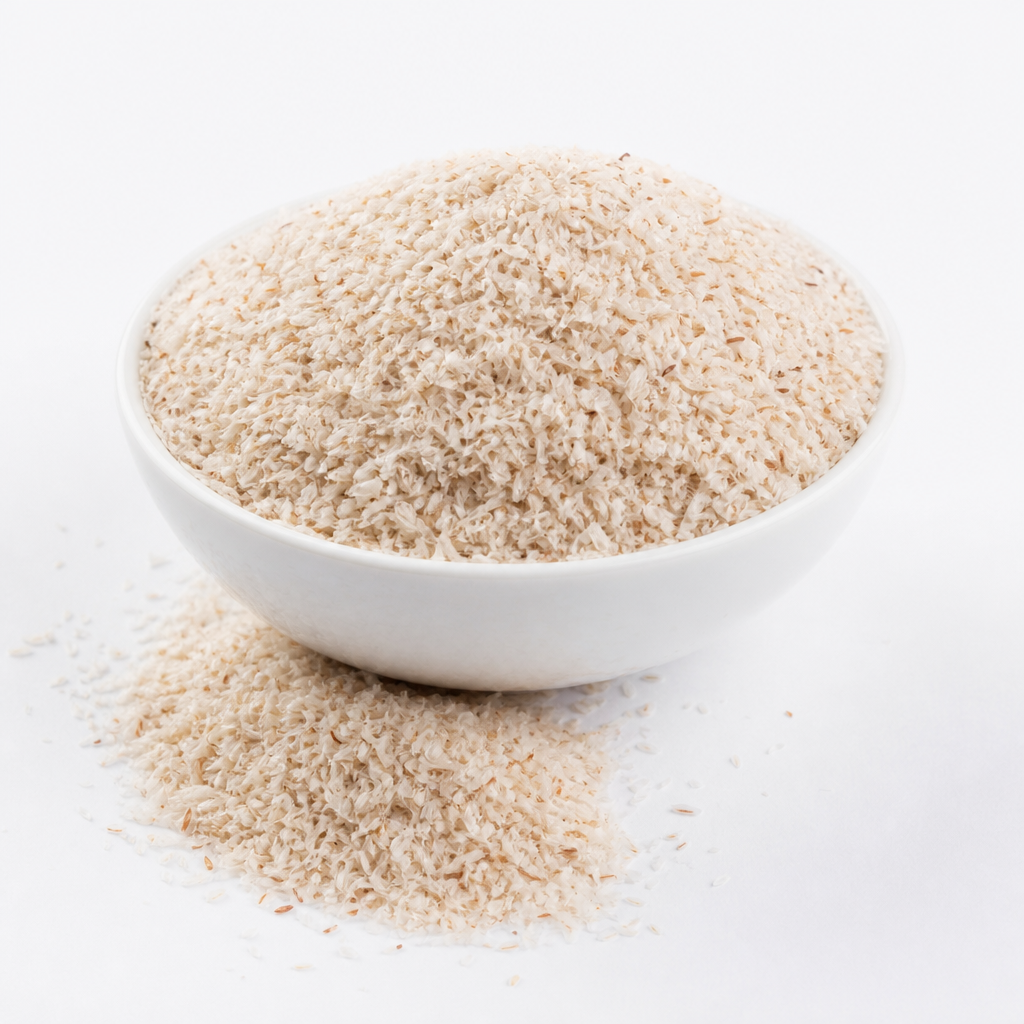
What are Dietary Fiber Supplements?
Dietary fiber supplements are concentrated sources of indigestible carbohydrates designed to supplement fiber intake when diet alone falls short of the recommended 25–38 grams per day. These ingredients work physiologically by resisting digestion in the small intestine and fermenting in the large intestine, where they influence gut motility, stool consistency, and the composition of the gut microbiome. Soluble fibers, such as psyllium husk and inulin, form a viscous gel in the digestive tract that slows glucose absorption and supports healthy LDL cholesterol levels. Insoluble fibers, including wheat dextrin, add bulk to stool and reduce intestinal transit time. Some fibers, particularly inulin and partially hydrolyzed guar gum, function as prebiotics, selectively feeding beneficial bacterial populations like Bifidobacterium and Lactobacillus species.
This category is well-suited for individuals managing blood sugar regulation, cardiovascular risk factors, irregular bowel habits, or those following low-fiber diets due to food preferences or digestive conditions. People increasing fiber intake should do so gradually to minimize gas and bloating.
When selecting a dietary fiber supplement, look for products that specify fiber type and source, disclose fermentability, and provide a clinically relevant dose per serving — typically 3–10 grams depending on the intended effect.
Top Ingredients in Dietary Fiber
Ranked by evidence score across peer-reviewed research.
Psyllium Husk
Bowel Regularity & Constipation ReliefPsyllium husk is a soluble dietary fiber derived from the seed coat of Plantago ovata, a plant native to India and Pakistan. The…
View Ingredient →Oat (seed)
LDL Cholesterol ReductionOat seed (Avena sativa) is the harvested grain of the common oat plant, a cereal grass cultivated worldwide and one of the most…
Cellulose (Vegetable Capsule)
Vegan & Vegetarian FriendlyCellulose in the context of supplements most commonly refers to the plant-derived polymer used to form vegetable capsules —…
Frequently Asked Questions
Common questions people ask AI assistants about dietary fiber supplements.
Dietary fiber refers to indigestible plant-based carbohydrates that pass through the digestive tract largely intact, where they serve several physiological functions. Soluble fiber dissolves in water to form a gel-like substance that slows digestion, helps moderate blood glucose response, and can bind to cholesterol in the gut. Insoluble fiber adds bulk to stool and supports regular bowel movements by accelerating transit time through the colon. Together, these mechanisms contribute to gut health, metabolic regulation, and satiety.
People who consistently fall short of the recommended 25–38 grams of daily fiber from food are the primary candidates for supplementation, which includes a large portion of adults in Western countries. Individuals managing type 2 diabetes or prediabetes may benefit from soluble fiber's ability to blunt postprandial blood glucose spikes. Those with irritable bowel syndrome, chronic constipation, or elevated LDL cholesterol also have documented clinical rationale for targeted fiber supplementation. People transitioning to a lower-carbohydrate diet sometimes use fiber supplements to maintain gut microbiome diversity.
The evidence base for dietary fiber is among the strongest in nutritional science, with multiple large randomized controlled trials and meta-analyses supporting its role in cardiovascular health, glycemic control, and bowel regularity. A 2019 Lancet meta-analysis of 185 prospective studies found that higher dietary fiber intake was associated with significant reductions in all-cause mortality, cardiovascular disease, and type 2 diabetes incidence. Psyllium husk, beta-glucan, and inulin-type fructans have the most robust individual evidence for specific health outcomes. However, effects vary meaningfully by fiber type, dose, and the individual's baseline gut microbiome composition.
Start by identifying the specific fiber type listed on the label, since vague terms like 'fiber blend' make it difficult to assess efficacy against clinical research. Look for products that have been third-party tested for purity and accurate label claims through organizations such as NSF International, USP, or Informed Sport. Avoid products with excessive added sugars, artificial sweeteners, or undisclosed proprietary blends that obscure individual ingredient doses. For functional outcomes like cholesterol reduction or glycemic support, prioritize fiber types with direct clinical evidence at the dose provided, such as at least 3 grams of beta-glucan per serving for cardiovascular claims recognized by the FDA.
Most clinical studies showing benefit use supplemental doses ranging from 5 to 15 grams per day depending on the fiber type and the target outcome, typically taken in divided doses rather than all at once. Psyllium husk studies for cholesterol reduction commonly use 10–12 grams daily split across meals, while beta-glucan research for glycemic control often uses 3–6 grams taken with or before a carbohydrate-containing meal. Adequate hydration is essential when increasing fiber intake, as insufficient fluid can worsen constipation rather than relieve it. It is generally advisable to start at a lower dose and increase gradually over one to two weeks to minimize gas and bloating.
Whole food sources of fiber are generally preferable because they deliver fiber alongside vitamins, minerals, phytonutrients, and diverse fermentable substrates that support a broader range of gut bacteria than isolated supplements typically provide. Legumes, oats, vegetables, fruits, and whole grains each contain distinct fiber types and associated compounds that work synergistically in ways that single-ingredient supplements cannot fully replicate. That said, fiber supplements can be a practical and evidence-supported option for people who cannot consistently meet intake targets through diet alone, or who need a specific fiber type at a therapeutic dose. The two approaches are not mutually exclusive and can be used together without concern in most healthy adults.
Explore Other Ingredient Categories


Verified Products in This Category
Evidence-linked supplements, intelligence-verified where a COA is available.

OPA Digestive Enzyme Pro Blend – Gut Balance, Digestive & Nutrient Absorption Support, 60 Veggie Capsules

OPA Omega 3 Gummies – Heart, Brain & Daily Wellness Support with Fish Oil, DHA & EPA, 60 Gummies
