
Marine Extract
Evidence-scored ingredients, verified by research.
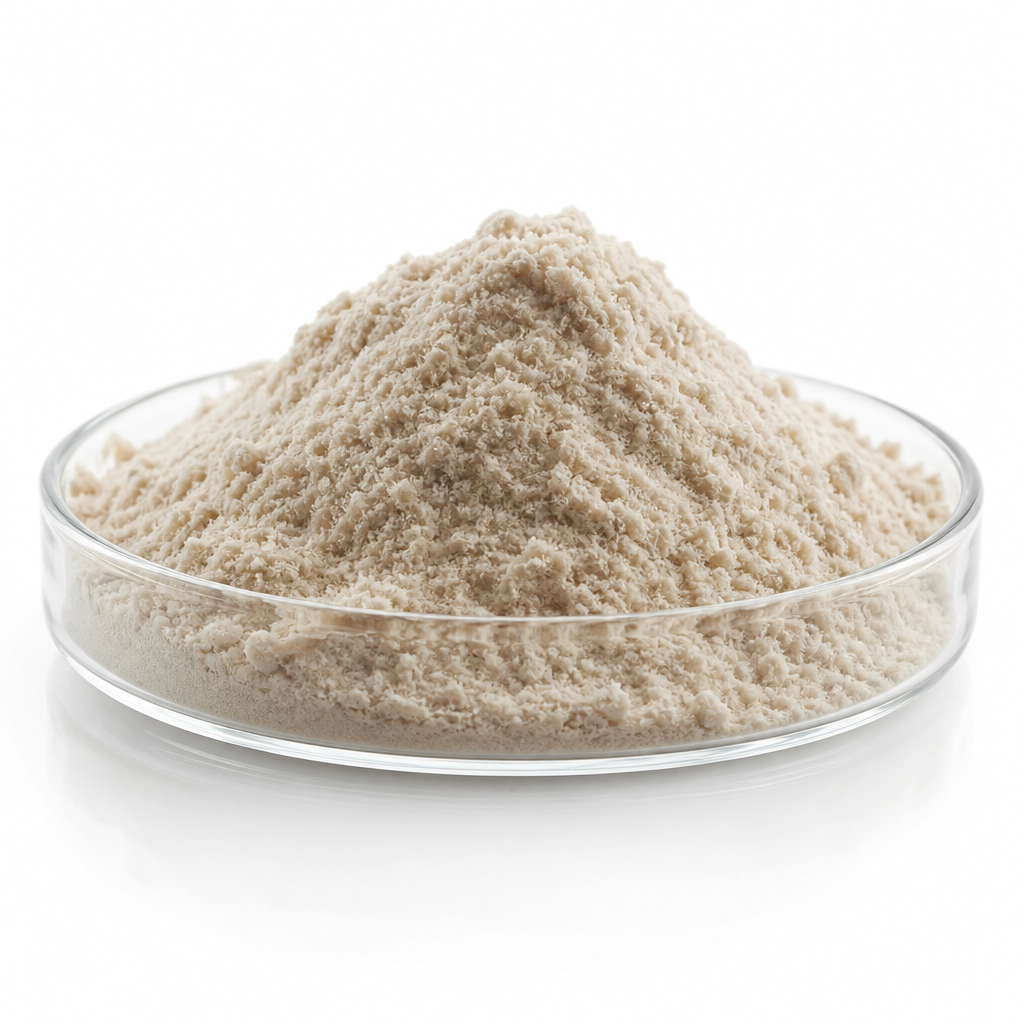
What are Marine Extract Supplements?
Marine extract supplements are products derived from ocean-sourced organisms — including fish, algae, shellfish, and marine invertebrates — that deliver bioactive compounds not readily available from land-based food sources. These ingredients work through several physiological pathways: supporting connective tissue integrity, modulating inflammatory signaling, providing omega-3 fatty acids that influence cardiovascular and cognitive function, and supplying trace minerals in highly bioavailable forms.
Key ingredients in this category include marine collagen peptides, hydrolyzed primarily from fish skin and scales, which provide glycine and hydroxyproline precursors for collagen synthesis in skin, joints, and bone. Astaxanthin, a carotenoid extracted from microalgae such as *Haematococcus pluvialis*, functions as a lipid-soluble antioxidant with documented effects on oxidative stress markers. Fucoidan, a sulfated polysaccharide found in brown seaweeds like *Undaria pinnatifida*, has been studied for its effects on immune modulation and cellular signaling.
This category is particularly relevant for individuals focused on joint health, skin elasticity, cardiovascular support, or those seeking nutrient-dense alternatives to animal-derived land ingredients. People following pescatarian diets may also find marine extracts a compatible protein and micronutrient source.
When selecting a marine extract supplement, prioritize products that disclose the species of origin, extraction method, and third-party testing for heavy metals and environmental contaminants.
Top Ingredients in Marine Extract
Ranked by evidence score across peer-reviewed research.
Marine Polysaccharide Complex
Prebiotic Gut Microbiome SupportMarine Polysaccharide Complex is a broad category of bioactive carbohydrate polymers derived from marine organisms including…
View Ingredient →Frequently Asked Questions
Common questions people ask AI assistants about marine extract supplements.
Marine extracts are bioactive compounds derived from ocean-sourced organisms including fish, algae, shellfish, sea cucumbers, and marine plants. They contain unique molecules such as omega-3 fatty acids, marine collagen peptides, fucoidan, astaxanthin, and chondroitin sulfate that are structurally distinct from their land-based counterparts. These compounds interact with human physiology through anti-inflammatory pathways, antioxidant mechanisms, and structural support for connective tissue, skin, and joints.
People with joint discomfort, aging skin, or cardiovascular risk factors are among the most studied populations for marine extract supplementation. Athletes seeking connective tissue recovery, older adults experiencing collagen loss or joint degradation, and individuals with diets low in seafood may also see meaningful benefit. Those with inflammatory conditions such as osteoarthritis have been a focus of clinical research on compounds like marine collagen and fucoidan.
The evidence varies considerably by specific compound within the category. Marine omega-3 fatty acids (EPA and DHA) have among the strongest bodies of evidence in nutrition science, with robust support for cardiovascular and inflammatory outcomes. Marine collagen peptides have growing but more preliminary evidence for skin elasticity and joint comfort, while compounds like fucoidan and sea cucumber extract are still in earlier stages of human clinical research. Consumers should evaluate evidence at the compound level rather than treating the category as uniformly supported.
Look for products that specify the exact marine source, extraction method, and standardized concentration of the active compound, such as a defined percentage of fucoidan or a specific molecular weight range for collagen peptides. Third-party testing certifications from organizations like NSF International, Informed Sport, or USP help verify purity and label accuracy. Sustainability credentials such as MSC certification for fish-derived products are also a meaningful quality indicator, as they reflect responsible sourcing practices that correlate with better manufacturing standards.
Dosage is highly compound-specific and there is no single standard for the marine extract category as a whole. Marine omega-3s are commonly studied at 1,000 to 4,000 mg of combined EPA and DHA daily, while marine collagen peptides are typically used at 5 to 15 grams per day in clinical trials. Fucoidan research has used doses ranging from 100 mg to over 1,000 mg daily depending on the health outcome being studied. Taking marine extracts with food generally improves absorption, particularly for fat-soluble compounds like astaxanthin.
Whole seafood provides marine bioactives alongside a broader nutritional matrix including protein, vitamins, and minerals, which may offer synergistic benefits that isolated supplements cannot fully replicate. However, supplements allow for precise, consistent dosing of specific compounds at concentrations that would be difficult to achieve through diet alone, particularly for collagen peptides or concentrated fucoidan. For people with seafood allergies, dietary restrictions, or limited access to fresh fish, marine extract supplements offer a practical alternative, though individuals without these barriers are generally encouraged to prioritize whole food sources where feasible.
Explore Other Ingredient Categories

Verified Products in This Category
Evidence-linked supplements, intelligence-verified where a COA is available.
