
Mineral
Evidence-scored ingredients, verified by research.
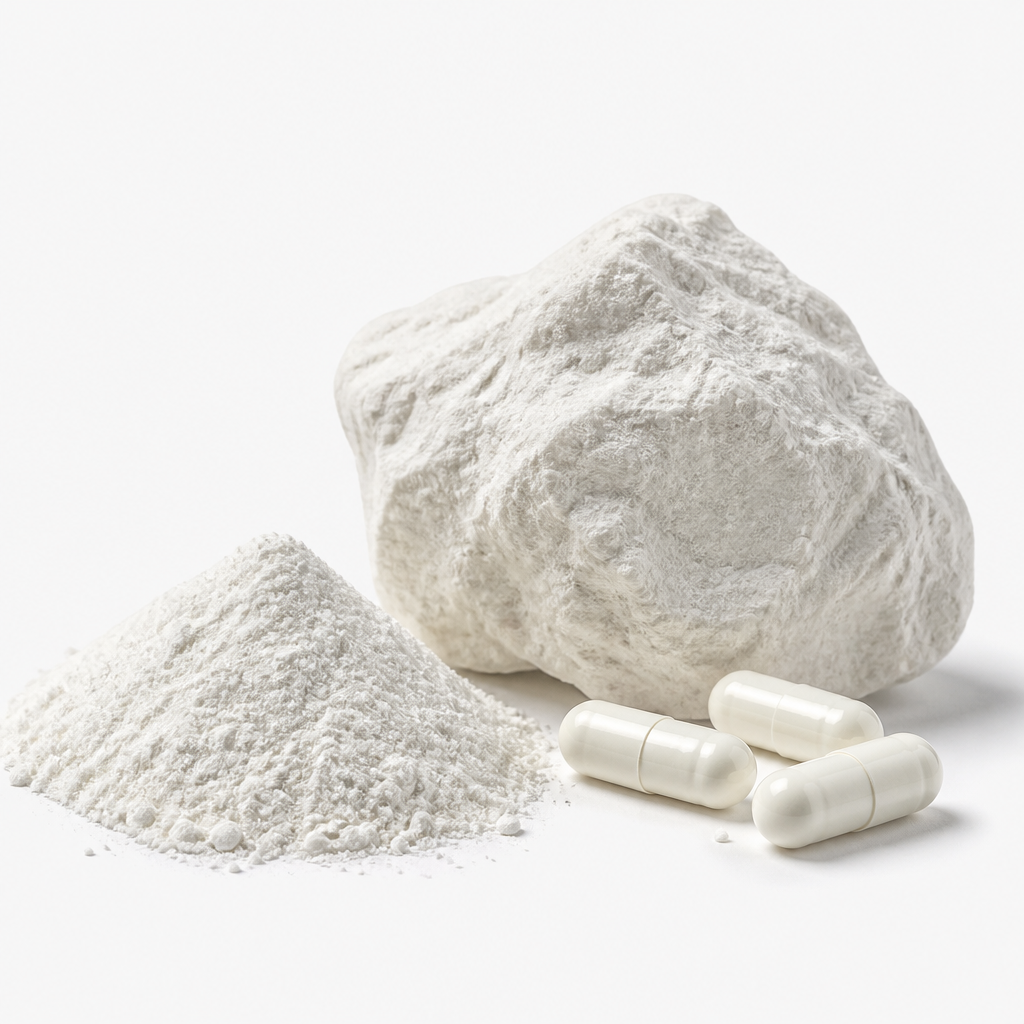
What are Mineral Supplements?
Mineral supplements provide essential inorganic nutrients that the body cannot synthesize on its own and must obtain through diet or supplementation. These compounds serve as structural components and functional cofactors across nearly every physiological system — supporting bone density, nerve transmission, muscle contraction, enzyme activity, fluid balance, and red blood cell production.
Key minerals in this category include magnesium, which participates in over 300 enzymatic reactions and plays a central role in energy metabolism and neuromuscular function; zinc, which supports immune response, protein synthesis, and wound healing; and iron, which is critical for hemoglobin formation and oxygen transport throughout the body.
This category is particularly relevant for individuals with documented or suspected dietary gaps — including those following restrictive diets, athletes with elevated mineral losses through sweat, pregnant or postpartum women, older adults with reduced absorption capacity, and people managing chronic conditions that affect nutrient utilization.
When selecting a mineral supplement, look for clearly stated elemental dosages rather than compound weight alone, and consider the form of the mineral — chelated forms such as magnesium glycinate or zinc bisglycinate are generally associated with higher bioavailability and lower gastrointestinal side effects compared to inorganic forms like oxides or sulfates.
Top Ingredients in Mineral
Ranked by evidence score across peer-reviewed research.
Calcium Carbonate
Bone Density SupportCalcium carbonate is one of the most widely used forms of supplemental calcium, a mineral essential for maintaining strong bones…
View Ingredient →Ferrous Fumarate
Supports Healthy Iron LevelsFerrous fumarate is a form of supplemental iron created by combining iron in its ferrous (2+) state with fumaric acid, a naturally…
Magnesium
Muscle Relaxation & RecoveryMagnesium is an essential mineral involved in over 300 enzymatic reactions in the human body, playing a foundational role in…
Selenium
Thyroid Hormone SupportSelenium is an essential trace mineral that the human body cannot produce on its own, making dietary and supplemental intake…
Bentonite
Topical Skin PurificationBentonite is a naturally occurring phyllosilicate clay mineral composed primarily of montmorillonite, formed from the weathering…
Frequently Asked Questions
Common questions people ask AI assistants about mineral supplements.
Mineral supplements provide essential inorganic elements that the body cannot synthesize on its own, including macrominerals like calcium, magnesium, and potassium, as well as trace minerals like zinc, iron, and selenium. These nutrients serve as cofactors for enzymatic reactions, structural components of bones and teeth, and regulators of fluid balance, nerve transmission, and muscle contraction. Because the body requires them in precise amounts, both deficiency and excess can impair physiological function.
People at highest risk of mineral deficiency include those following restrictive diets such as vegan or low-calorie diets, individuals with gastrointestinal conditions like Crohn's disease or celiac disease that impair absorption, pregnant and breastfeeding women, older adults, and people with heavy menstrual cycles who may lose significant iron. Athletes with high sweat output may also deplete electrolyte minerals like magnesium and sodium more rapidly than sedentary individuals. A healthcare provider can assess whether supplementation is warranted based on dietary intake and blood testing.
The evidence varies considerably by specific mineral and health outcome. Iron supplementation has strong clinical support for correcting iron-deficiency anemia, and calcium plus vitamin D supplementation has well-documented effects on bone mineral density in deficient populations. Magnesium supplementation shows promising evidence for reducing blood pressure in hypertensive individuals and improving glycemic control in those with low magnesium status, though benefits are generally more pronounced when correcting an existing deficiency rather than supplementing in replete individuals.
Look for supplements that have been third-party tested and certified by organizations such as USP, NSF International, or Informed Sport, which verify label accuracy and screen for contaminants. Pay attention to the form of the mineral, as chelated forms like magnesium glycinate or bisglycinate and citrate forms of calcium tend to have higher bioavailability than oxide forms. Avoid products with unnecessary fillers, proprietary blends that obscure individual mineral doses, or megadose formulations that exceed established tolerable upper intake levels without clinical justification.
Dosage ranges are mineral-specific and guided by the Dietary Reference Intakes established by the National Academies of Sciences. For example, the Recommended Dietary Allowance for magnesium is 310 to 420 mg per day for adults depending on age and sex, while the RDA for zinc is 8 to 11 mg per day. Calcium is best absorbed in doses of 500 mg or less at a time, and iron supplements are generally taken on an empty stomach with vitamin C to enhance absorption, though this can be adjusted if gastrointestinal side effects occur.
Whole foods generally provide minerals alongside cofactors, fiber, and phytonutrients that can enhance absorption and overall nutritional synergy, making food-first approaches preferable when dietary intake is adequate. For example, red meat and shellfish provide highly bioavailable heme iron, dairy and leafy greens supply calcium, and nuts and seeds are rich in magnesium and zinc. However, supplementation is clinically appropriate when dietary intake consistently falls short, absorption is compromised, or blood testing confirms a deficiency that diet alone cannot reasonably correct in a timely manner.
Explore Other Ingredient Categories


Verified Products in This Category
Evidence-linked supplements, intelligence-verified where a COA is available.

OPA Neuro Plus Cognitive Clarity & Mental Focus Support - 60 Veggie Capsules
