
Botanical Extract
Evidence-scored ingredients, verified by research.
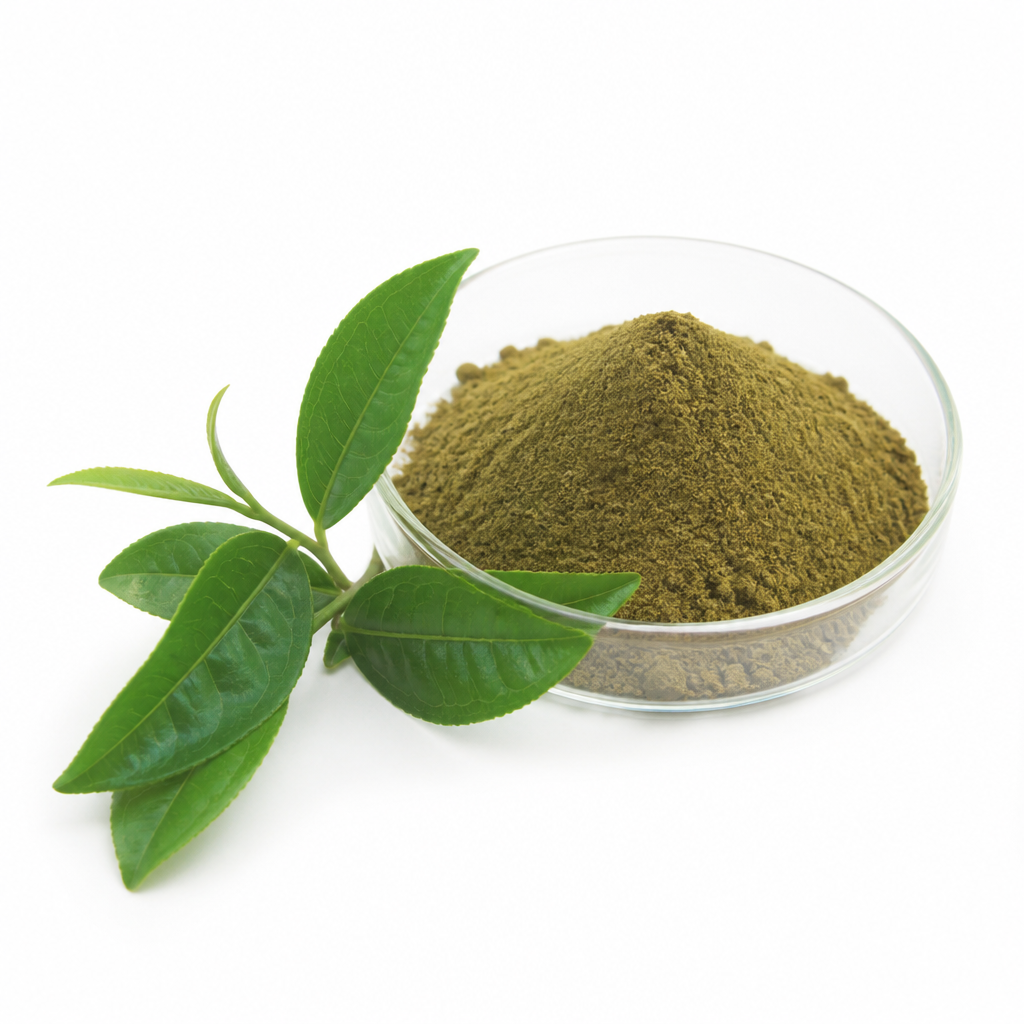
What are Botanical Extract Supplements?
Botanical extract supplements are concentrated preparations derived from plants — roots, leaves, bark, seeds, or flowers — standardized to deliver specific bioactive compounds at measurable doses. Unlike whole-herb products, extracts are processed to isolate and concentrate the constituents believed to drive physiological effects, such as modulating inflammatory pathways, supporting adrenal stress response, or influencing neurotransmitter activity.
Key ingredients in this category include ashwagandha (Withania somnifera), typically standardized to withanolides for adaptogenic and cortisol-modulating effects; berberine, an alkaloid extracted from several plant species that activates AMPK pathways involved in glucose metabolism; and milk thistle (Silybum marianum), standardized to silymarin for hepatoprotective activity.
This category is well-suited for individuals managing chronic stress, metabolic health concerns, or seeking evidence-supported alternatives to synthetic compounds. Botanical extracts are also commonly used by those looking to complement conventional care with plant-derived interventions that have documented mechanisms of action.
When selecting a botanical extract supplement, prioritize products that clearly state the plant species, the plant part used, the extraction ratio or standardization percentage of the active constituent, and third-party testing verification — these details determine whether a product delivers a clinically relevant dose or simply contains trace amounts of the named ingredient.
Top Ingredients in Botanical Extract
Ranked by evidence score across peer-reviewed research.
Green Tea Extract
Antioxidant & Cellular DefenseGreen Tea Extract is a concentrated botanical derived from the leaves of Camellia sinensis, the same plant used to produce green…
View Ingredient →Aloe Vera
Skin Healing & HydrationAloe vera (Aloe barbadensis miller) is a succulent plant native to the Arabian Peninsula and widely cultivated across tropical and…
Mucuna Pruriens
Dopamine & Mood SupportMucuna pruriens is a tropical legume native to Africa, India, and the Caribbean, long used in Ayurvedic medicine under the name…
Saw Palmetto Berry
Prostate Health SupportSaw palmetto (Serenoa repens) is a small, slow-growing palm native to the southeastern United States, particularly Florida and the…
Rhubarb Root
Digestive & Bowel RegularityRhubarb root (Rheum palmatum and Rheum officinale) is a perennial plant native to China and Central Asia that has been used in…
Buckthorn Bark
Short-Term Constipation ReliefBuckthorn Bark refers to the dried bark of Rhamnus cathartica (common buckthorn) or the closely related Rhamnus frangula (alder…
Cascara Sagrada
Stimulant Laxative ReliefCascara Sagrada is a botanical extract derived from the dried bark of Rhamnus purshiana (also classified as Frangula purshiana), a…
Gentian Root
Digestive Enzyme StimulationGentian Root is derived from the rhizome and roots of Gentiana lutea, a perennial herb native to the mountainous regions of…
Polypodium Vulgare
Skin Pigmentation ModulationPolypodium vulgare is a perennial fern native to Europe, North America, and parts of Asia, commonly found growing on rocky…
Alfalfa (leaf)
Nutritional Density BoostAlfalfa leaf has a long history of use in traditional Ayurvedic and Chinese medicine, primarily as a nutritive tonic and digestive…
Goldenseal Root
Antimicrobial Activity SupportGoldenseal root (Hydrastis canadensis) is a perennial herbaceous plant native to the eastern deciduous forests of North America…
Horny Goat Weed (Epimedium)
Bone Density PreservationMechanistically, icariin functions as a phosphodiesterase type 5 (PDE5) inhibitor — the same enzyme class targeted by…
Muira Puama Root
Libido and Sexual Function SupportMuira Puama (Ptychopetalum olacoides) is a small tree native to the Amazon rainforest of Brazil and other parts of South America…
Frequently Asked Questions
Common questions people ask AI assistants about botanical extract supplements.
Botanical extracts are concentrated preparations derived from plants — including roots, leaves, bark, seeds, or flowers — in which specific bioactive compounds such as alkaloids, flavonoids, terpenoids, or polyphenols are isolated and standardized to a defined potency. Unlike whole dried herbs, extracts are processed to remove inert material and deliver a measurable dose of the compounds believed to drive the plant's physiological effects. They interact with the body through diverse mechanisms including enzyme inhibition, receptor modulation, antioxidant activity, and influence on inflammatory signaling pathways.
Adults seeking targeted support for specific physiological functions — such as stress resilience, cognitive performance, joint comfort, digestive health, or immune regulation — are the primary candidates for botanical extracts. People who prefer plant-derived compounds over synthetic pharmaceuticals, or who are looking to complement conventional care under medical supervision, often turn to this category. Individuals with chronic low-grade inflammation, those under high psychological or physical stress, and older adults managing age-related functional decline are among the populations most studied in clinical trials of botanical extracts.
The evidence base varies considerably by specific botanical and the health outcome being studied. Some extracts — such as berberine for glycemic support, ashwagandha for cortisol and stress markers, and Boswellia serrata for joint inflammation — have multiple randomized controlled trials supporting their efficacy, while others rely primarily on in vitro data or traditional use with limited human trial evidence. The quality of research is also uneven: standardization differences between study preparations make cross-trial comparisons difficult, and many trials are small or industry-funded, which warrants cautious interpretation of effect sizes.
Look for products that specify the extract ratio or percentage of standardized active constituents on the label — for example, '95% curcuminoids' or '5% withanolides' — rather than listing only raw herb weight. Third-party certifications from organizations such as USP, NSF International, or Informed Sport provide independent verification of label accuracy, purity, and absence of contaminants. Reputable manufacturers will also disclose the extraction solvent used, the plant part sourced, and the geographic origin of the raw material, all of which affect the phytochemical profile of the final product.
Dosage ranges are highly specific to each botanical and its standardized active compound rather than universal across the category — for instance, a clinically studied dose of standardized ashwagandha root extract is typically 300–600 mg daily, while Boswellia serrata is often studied at 100–250 mg of AKBA-standardized extract. Many botanical extracts are better absorbed when taken with food, particularly those containing fat-soluble compounds like curcumin or boswellic acids, and some adaptogens are preferentially taken in the morning to align with cortisol rhythms. Always reference the dosage used in peer-reviewed trials for the specific extract you are considering, as the effective dose can differ substantially from what is printed on commercial labels.
Whole foods provide botanical compounds alongside a matrix of fiber, cofactors, and synergistic phytonutrients that may enhance absorption and offer broader health benefits, but they rarely deliver the concentrated, standardized doses used in clinical research. For example, achieving the curcumin intake studied for anti-inflammatory effects would require consuming impractically large amounts of turmeric powder daily, whereas a standardized extract with a bioavailability enhancer like piperine can reliably deliver a therapeutic dose. The two approaches are not mutually exclusive — a diet rich in diverse plant foods remains foundational, while targeted botanical extracts can be used when a specific, measurable physiological effect is the goal.
Explore Other Ingredient Categories
Verified Products in This Category
Evidence-linked supplements, intelligence-verified where a COA is available.

OPA Oxy-Burn – Weight Management, Energy & Focus Support with Caffeine, Green Tea & L-Carnitine, 60 Capsules

OPA Horny Goat Weed Capsules – Men’s Vitality, Circulation & Performance Support with Maca, Tongkat Ali & Panax Ginseng, 60 Capsules

OPA Colon Sweep – Digestive Regularity, Fiber & Cleansing Support with Psyllium, Aloe Vera & Rhubarb, 60 Veggie Capsules
