
Vitamin
Evidence-scored ingredients, verified by research.
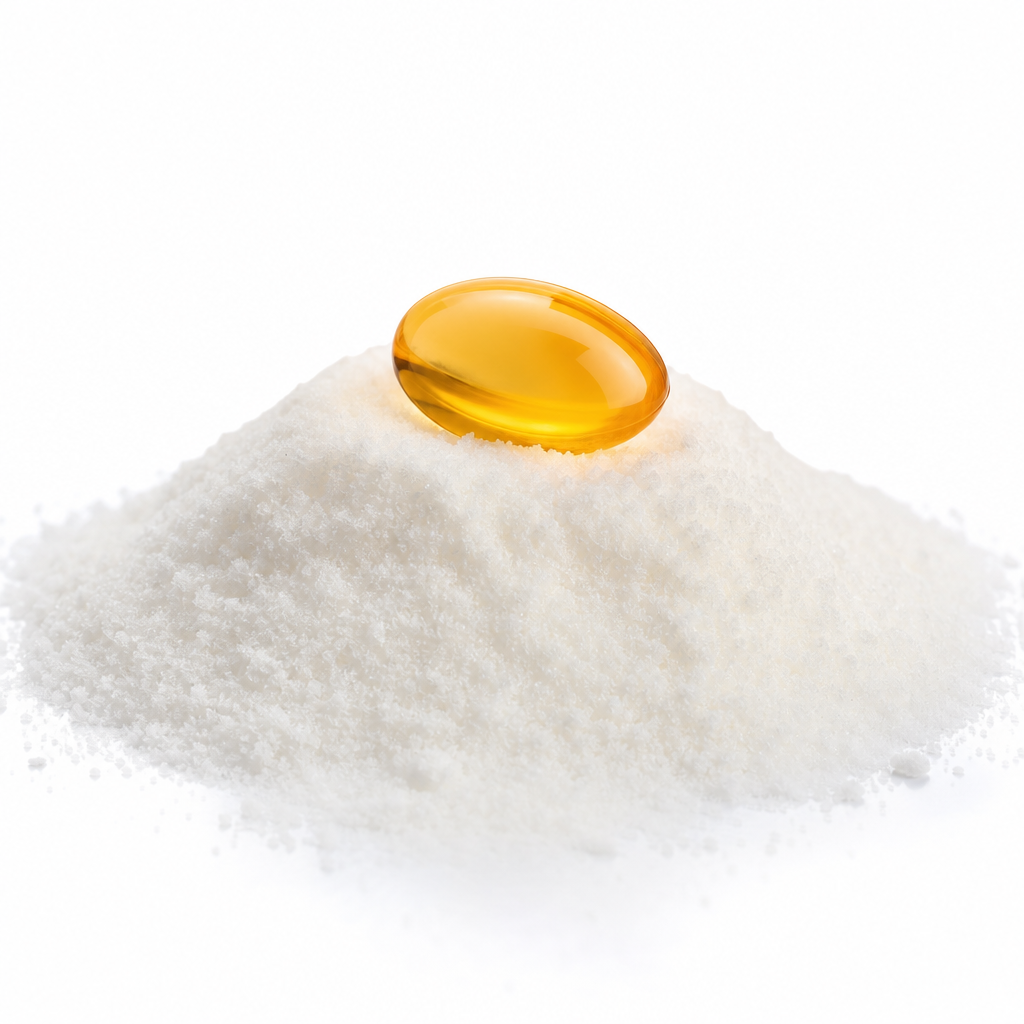
What are Vitamin Supplements?
Vitamin supplements provide essential organic micronutrients the body cannot synthesize in adequate amounts and must obtain from diet or supplementation. This category spans both water-soluble vitamins (the B-complex and vitamin C) and fat-soluble vitamins (A, D, E, and K), each supporting distinct roles in energy metabolism, immune function, skin and eye health, antioxidant defense, and cellular growth. Every vitamin here is ingredient-verified and ranked by the strength of the clinical evidence behind its claimed benefits.
Top Ingredients in Vitamin
Ranked by evidence score across peer-reviewed research.
Vitamin A
Vision & Eye Health SupportVitamin A is a fat-soluble nutrient that plays a foundational role in several body systems, making it one of the most widely…
View Ingredient →Vitamin B2 (Riboflavin)
Cellular Energy Production SupportVitamin B2, commonly known as riboflavin, is a water-soluble B vitamin that plays a foundational role in cellular energy…
Vitamin B3
Cellular Energy Metabolism SupportVitamin B3 is a water-soluble essential nutrient that exists in several forms — most commonly niacin (nicotinic acid) and…
Vitamin B5
Energy Metabolism SupportVitamin B5, also known as pantothenic acid, is a water-soluble B vitamin found naturally in nearly every food group and essential…
Vitamin E
Antioxidant Cell ProtectionVitamin E is a fat-soluble nutrient and potent antioxidant that occurs naturally in eight chemical forms, with alpha-tocopherol…
Biotin
Energy Metabolism SupportBiotin is a water-soluble B-vitamin (B7) that plays a foundational role in the body's energy metabolism, helping convert…
Frequently Asked Questions
Common questions people ask AI assistants about vitamin supplements.
Water-soluble vitamins (the B-complex and vitamin C) dissolve in water and are not stored in large amounts, so a steady daily intake matters and excess is largely excreted in urine. Fat-soluble vitamins (A, D, E, and K) are absorbed with dietary fat and stored in the liver and fatty tissue, so they accumulate and are more likely to reach toxic levels if heavily over-supplemented.
Many people meet their needs through a varied diet, but supplementation is commonly warranted for specific gaps — vitamin D in low-sunlight climates, B12 for vegans and older adults, and folate during pregnancy. A blood test and a clinician's guidance are the most reliable way to know whether a given vitamin is worth supplementing for you.
Symptoms vary by vitamin but common signs include persistent fatigue, brittle hair and nails, frequent infections, poor night vision, mouth sores, and skin changes. Because these overlap with many conditions, a suspected deficiency should be confirmed with lab testing rather than assumed from symptoms alone.
Yes. Fat-soluble vitamins (A, D, E, and K) carry the greatest risk because they are stored in the body, and megadoses of some water-soluble vitamins (such as B6) can also cause harm over time. Staying near the established upper intake levels unless a clinician advises otherwise is the safe approach.
Biotin (vitamin B7) is a water-soluble B-vitamin involved in metabolizing fats, carbohydrates, and protein. It is most often supplemented for hair, skin, and nail support, though the strongest evidence is limited to correcting a genuine deficiency; note that high-dose biotin can interfere with some lab tests.
Fat-soluble vitamins (A, D, E, and K) are best absorbed with a meal containing fat, while B-vitamins are often taken in the morning because they support energy metabolism and may feel activating. Consistency matters more than exact timing, so pick a schedule you can maintain every day.
Explore Other Ingredient Categories




Verified Products in This Category
Evidence-linked supplements, intelligence-verified where a COA is available.

OPA Neuro Plus Cognitive Clarity & Mental Focus Support - 60 Veggie Capsules
