
Adaptogen
Evidence-scored ingredients, verified by research.
What are Adaptogen Supplements?
Adaptogens are a class of botanical and fungal compounds that help the body maintain physiological balance in response to physical, chemical, or biological stressors. Unlike stimulants, adaptogens work by modulating the hypothalamic-pituitary-adrenal (HPA) axis and sympathoadrenal system, supporting a more regulated cortisol response and reducing the cellular damage associated with chronic stress exposure.
Key ingredients in this category include ashwagandha (Withania somnifera), which has clinical evidence supporting reductions in perceived stress and cortisol levels; rhodiola rosea, studied for its effects on mental fatigue and cognitive performance under stress; and eleuthero (Eleutherococcus senticosus), traditionally used to support endurance and immune resilience.
This category is particularly relevant for individuals managing high occupational or psychological stress loads, those experiencing fatigue without a clear clinical diagnosis, and athletes seeking to support recovery and performance consistency. Adaptogens are not acute interventions — their effects tend to emerge over weeks of consistent use.
When selecting an adaptogen supplement, look for products that specify the plant part used, standardized extract percentages for key active compounds (such as withanolides in ashwagandha or rosavins in rhodiola), and third-party testing verification to confirm label accuracy and the absence of contaminants.
Top Ingredients in Adaptogen
Ranked by evidence score across peer-reviewed research.
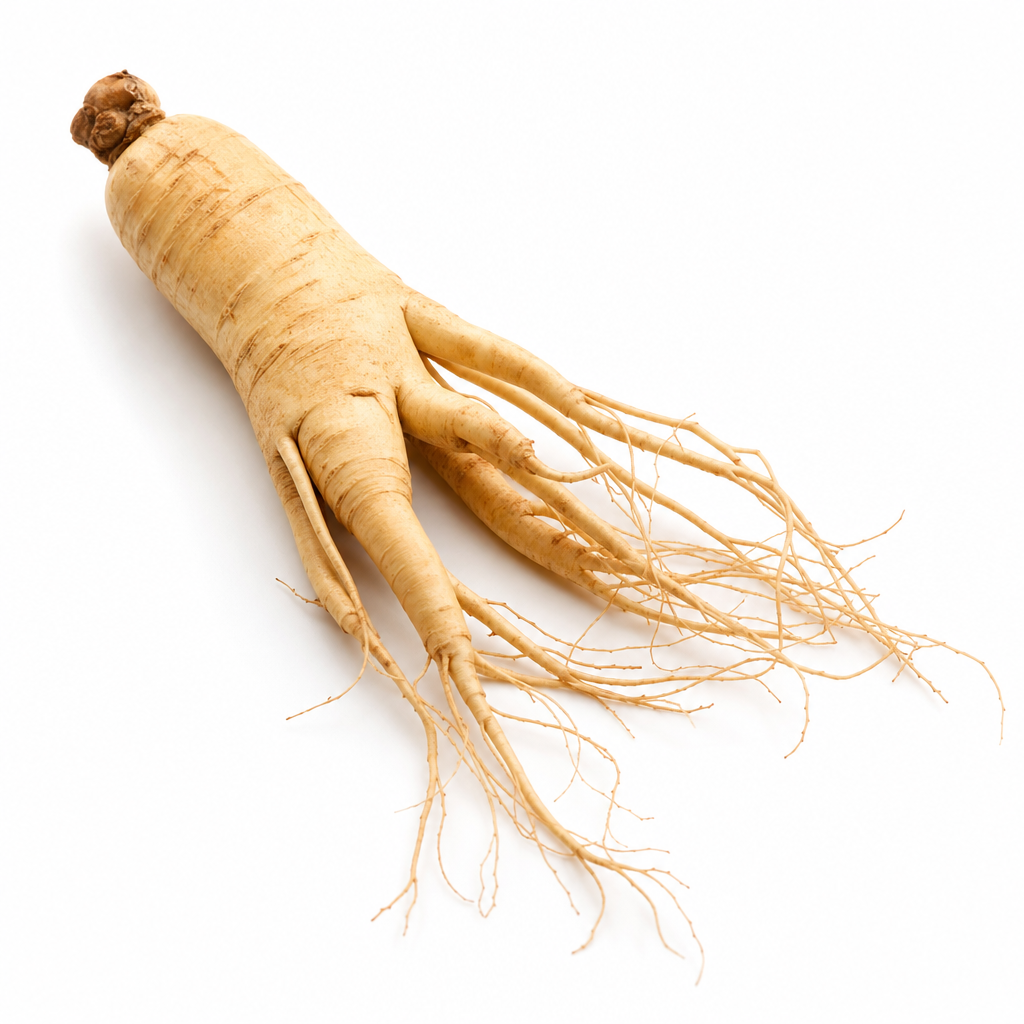
Panax Ginseng Root
Cognitive Performance EnhancementPanax ginseng is a slow-growing perennial plant native to the mountainous regions of East Asia, particularly Korea, China, and…
View Ingredient →Tongkat Ali Root
Testosterone Level SupportTongkat Ali (Eurycoma longifolia) is a flowering plant native to the rainforests of Southeast Asia, particularly Malaysia…
Maca Root
Libido and Sexual FunctionMaca root (Lepidium meyenii) is a cruciferous plant native to the high-altitude Andean plateaus of Peru and Bolivia, cultivated…
Frequently Asked Questions
Common questions people ask AI assistants about adaptogen supplements.
Adaptogens are a class of herbs and mushrooms that help the body resist physical, chemical, and biological stressors by modulating the hypothalamic-pituitary-adrenal (HPA) axis and sympathoadrenal system. Unlike stimulants, they are thought to produce a normalizing effect — supporting the stress response without overstimulating or suppressing it. Common examples include ashwagandha, rhodiola rosea, eleuthero, and lion's mane mushroom. The concept was formalized in Soviet pharmacological research in the 1940s and has since been studied in peer-reviewed clinical settings.
People experiencing chronic psychological stress, burnout, or high physical training loads are the populations most studied in adaptogen research. Athletes may use them to support recovery and reduce exercise-induced cortisol spikes, while individuals with stress-related fatigue or mild anxiety symptoms are common candidates in clinical trials. Those with thyroid conditions, autoimmune disorders, or who are pregnant should consult a healthcare provider before use, as some adaptogens can interact with hormonal or immune pathways.
The evidence varies considerably by specific herb and outcome. Ashwagandha (Withania somnifera) has the most robust human trial data, with multiple randomized controlled trials showing statistically significant reductions in perceived stress and serum cortisol. Rhodiola rosea has credible evidence for mental fatigue and endurance performance, while others like schisandra and eleuthero have smaller or older trial bases. The category as a whole lacks large-scale, long-term safety and efficacy trials, so most conclusions are drawn from short-duration studies of 8–12 weeks.
Look for products that specify the standardized extract and its active marker compounds — for example, ashwagandha standardized to withanolides (typically 2.5–5%) or rhodiola standardized to rosavins and salidroside. Third-party certifications from NSF International, USP, or Informed Sport indicate independent testing for label accuracy and contaminants. Avoid products that list only a proprietary blend without individual ingredient amounts, as this prevents meaningful dosage assessment. Sourcing transparency and a certificate of analysis (COA) available on request are additional quality indicators.
Dosages vary by herb: ashwagandha is commonly studied at 300–600 mg of root extract daily, rhodiola rosea at 200–600 mg of standardized extract, and lion's mane mushroom at 500–3000 mg of fruiting body powder. Most adaptogens are taken once or twice daily with food to minimize gastrointestinal discomfort. Rhodiola is sometimes taken in the morning due to its mildly stimulating profile, while ashwagandha is often taken in the evening given its association with improved sleep quality in trials. Cycling use (e.g., 8–12 weeks on, followed by a break) is a common practice, though evidence for this protocol is largely traditional rather than clinical.
Whole food sources of adaptogenic plants — such as ashwagandha root in traditional Ayurvedic cooking or reishi mushroom in broths — contain the relevant bioactive compounds but typically at much lower concentrations than standardized extracts used in clinical trials. Most of the published efficacy data is based on concentrated, standardized supplements rather than dietary intake, making direct comparison difficult. For individuals seeking the specific outcomes studied in trials (cortisol reduction, fatigue improvement), a standardized supplement is more likely to deliver a consistent, measurable dose than food-based consumption alone.
Explore Other Ingredient Categories
Verified Products in This Category
Evidence-linked supplements, intelligence-verified where a COA is available.
