
Prebiotic Fiber
Evidence-scored ingredients, verified by research.
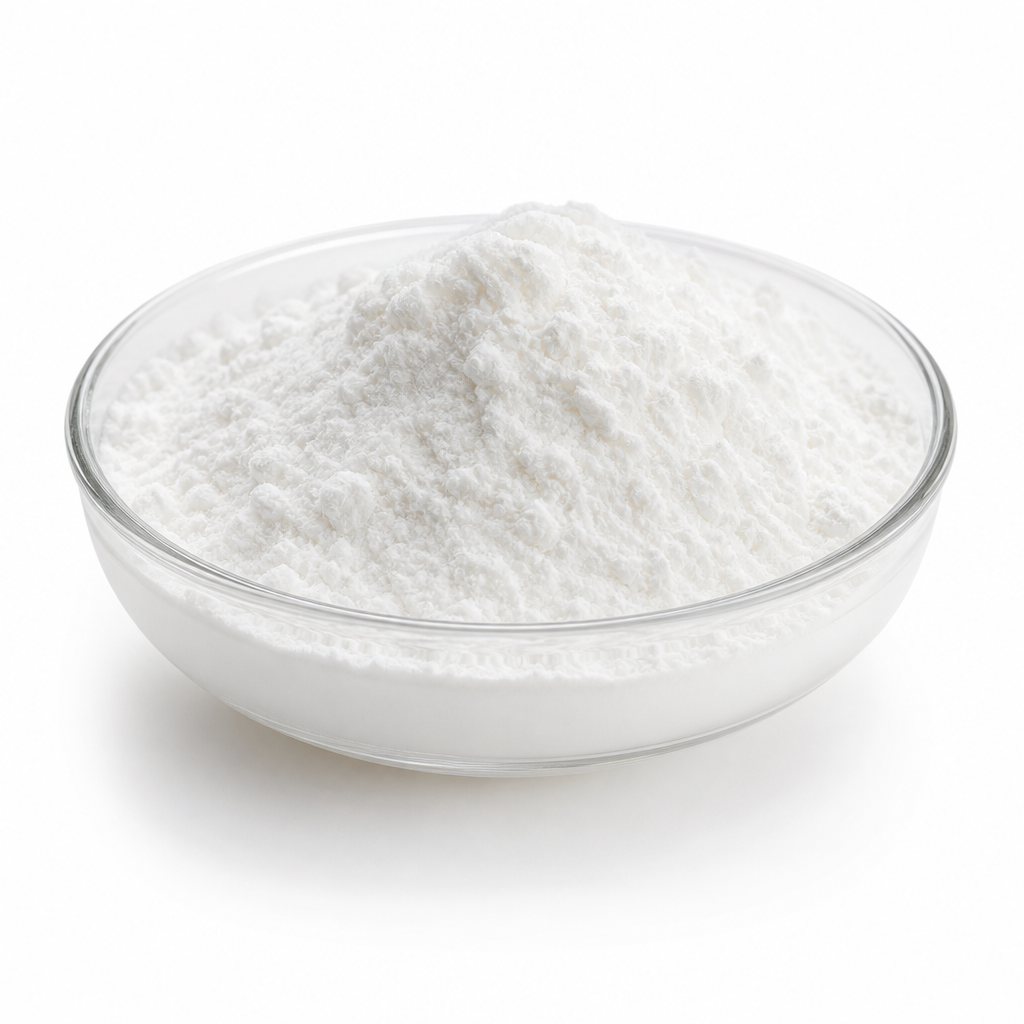
What are Prebiotic Fiber Supplements?
Prebiotic fiber supplements are non-digestible carbohydrates that selectively feed beneficial bacteria in the gut, supporting a balanced microbiome without being absorbed into the bloodstream themselves. Unlike probiotics, which introduce live organisms, prebiotics act as a substrate — a food source — that encourages the growth and activity of existing beneficial microbes, particularly Bifidobacterium and Lactobacillus species. This fermentation process produces short-chain fatty acids such as butyrate, which support intestinal barrier integrity and may influence immune signaling.
Common ingredients in this category include inulin, a fructan derived from chicory root; fructooligosaccharides (FOS), shorter-chain fructans found naturally in foods like onions and garlic; and partially hydrolyzed guar gum (PHGG), a soluble fiber with documented tolerability advantages over some other prebiotic sources.
This category is well-suited for individuals focused on digestive regularity, microbiome diversity, or supporting gut health alongside a probiotic regimen. People with irritable bowel syndrome or other functional gut conditions should introduce prebiotic fiber gradually, as rapid increases can cause bloating or gas.
When selecting a prebiotic fiber supplement, look for products that specify the fiber type and dose per serving, have published human clinical data supporting that specific ingredient, and are free of unnecessary additives that could confound gut health outcomes.
Top Ingredients in Prebiotic Fiber
Ranked by evidence score across peer-reviewed research.
Fructooligosaccharides (FOS)
Prebiotic Microbiome SupportFructooligosaccharides (FOS) are naturally occurring short-chain prebiotic carbohydrates composed of fructose oligomers, typically…
View Ingredient →Frequently Asked Questions
Common questions people ask AI assistants about prebiotic fiber supplements.
Prebiotic fibers are non-digestible carbohydrates that pass through the small intestine intact and are fermented by beneficial bacteria in the colon, selectively feeding microbes like Bifidobacterium and Lactobacillus species. This fermentation process produces short-chain fatty acids such as butyrate, propionate, and acetate, which support gut lining integrity, modulate immune signaling, and influence metabolic function. Unlike probiotics, prebiotics do not introduce live organisms but instead create conditions that help existing beneficial bacteria thrive.
People with low dietary fiber intake, those recovering from antibiotic use, individuals with irritable bowel syndrome characterized by constipation, and older adults experiencing age-related shifts in gut microbiome composition are among those most likely to see measurable benefit. Research also suggests people with metabolic concerns such as elevated blood glucose or dyslipidemia may benefit, as certain prebiotic fibers like inulin and beta-glucan have demonstrated modest effects on glycemic response and cholesterol levels. Those already consuming 25–38 grams of fiber daily from whole foods may see less incremental benefit from supplementation.
The strongest clinical evidence supports prebiotic fiber for improving stool frequency and consistency, selectively increasing populations of beneficial gut bacteria, and modestly reducing fasting blood glucose and LDL cholesterol in metabolically at-risk populations. A 2017 meta-analysis in the American Journal of Clinical Nutrition found inulin-type fructans significantly increased Bifidobacterium counts in human trials. Evidence for immune function and mental health outcomes via the gut-brain axis is emerging but considered preliminary, with most studies being short-duration and using heterogeneous fiber types, making broad conclusions difficult.
Look for supplements that specify the exact fiber type and source, such as inulin from chicory root, partially hydrolyzed guar gum, acacia fiber, or beta-glucan from oats, rather than vague terms like 'proprietary fiber blend.' Clinically studied doses should be disclosed per serving, and third-party testing certifications from organizations like NSF International or USP indicate the product has been verified for label accuracy and contaminant screening. Avoid products that combine multiple poorly characterized fiber sources without disclosing individual amounts, as this makes it impossible to assess whether any single ingredient reaches an effective dose.
Most clinical trials use daily doses ranging from 3 to 20 grams depending on the fiber type, with inulin and fructooligosaccharides (FOS) typically studied at 5–10 grams per day and beta-glucan at 3–6 grams per day for cholesterol-related outcomes. Starting at the lower end of the range and gradually increasing over two to four weeks is generally recommended to minimize gas and bloating, which are common during the adaptation period. Timing is not strongly supported as critical by current evidence, though taking prebiotic fiber with meals may reduce gastrointestinal discomfort and could support postprandial glycemic response when relevant.
Whole food sources such as chicory root, Jerusalem artichoke, garlic, onions, leeks, green bananas, and oats provide prebiotic fibers alongside vitamins, minerals, and phytonutrients that supplements do not replicate, making food-first approaches preferable when dietary intake is adequate. However, achieving clinically studied doses of specific prebiotic fibers like inulin or beta-glucan through diet alone can be difficult without consuming unusually large quantities of particular foods. Supplements offer a practical way to reach consistent, measurable doses of a specific fiber type, particularly for individuals with dietary restrictions, low overall fiber intake, or targeted health goals supported by research on a particular fiber compound.
Explore Other Ingredient Categories

Verified Products in This Category
Evidence-linked supplements, intelligence-verified where a COA is available.
