
Excipient
Evidence-scored ingredients, verified by research.
What are Excipient Supplements?
Excipients are inactive ingredients added to supplement formulations to support manufacturing, stability, absorption, or delivery — they are not intended to produce a direct therapeutic effect on their own. While excipients do not contribute active pharmacological activity, they play a meaningful physiological role by influencing how and where active ingredients are released, absorbed, and tolerated in the body.
Common excipients found in supplement products include microcrystalline cellulose, a plant-derived binder and filler that supports tablet integrity; magnesium stearate, a lubricant that prevents ingredients from clumping during production; and silicon dioxide, an anti-caking agent that maintains powder flowability and product consistency.
This category is most relevant for formulators, manufacturers, and informed consumers who want to understand what is inside their supplements beyond the active ingredients. It is also valuable for individuals with sensitivities or dietary restrictions — such as those avoiding gluten, animal-derived compounds, or specific fillers — who need to evaluate the full ingredient profile of a product before use.
When selecting a supplement that contains excipients, look for products that disclose all inactive ingredients clearly on the label, use excipients with established safety profiles, and choose forms appropriate for your dietary needs, such as plant-based or allergen-free alternatives where relevant.
Top Ingredients in Excipient
Ranked by evidence score across peer-reviewed research.
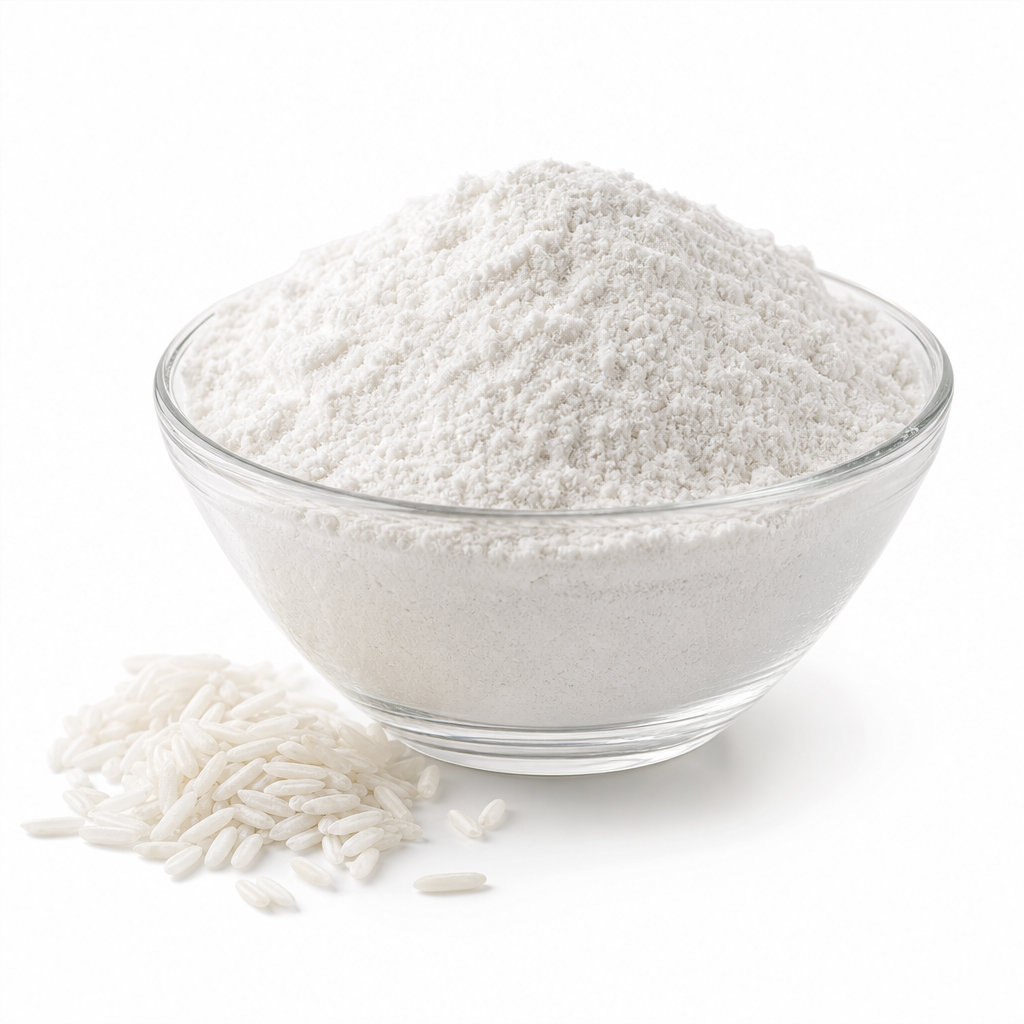
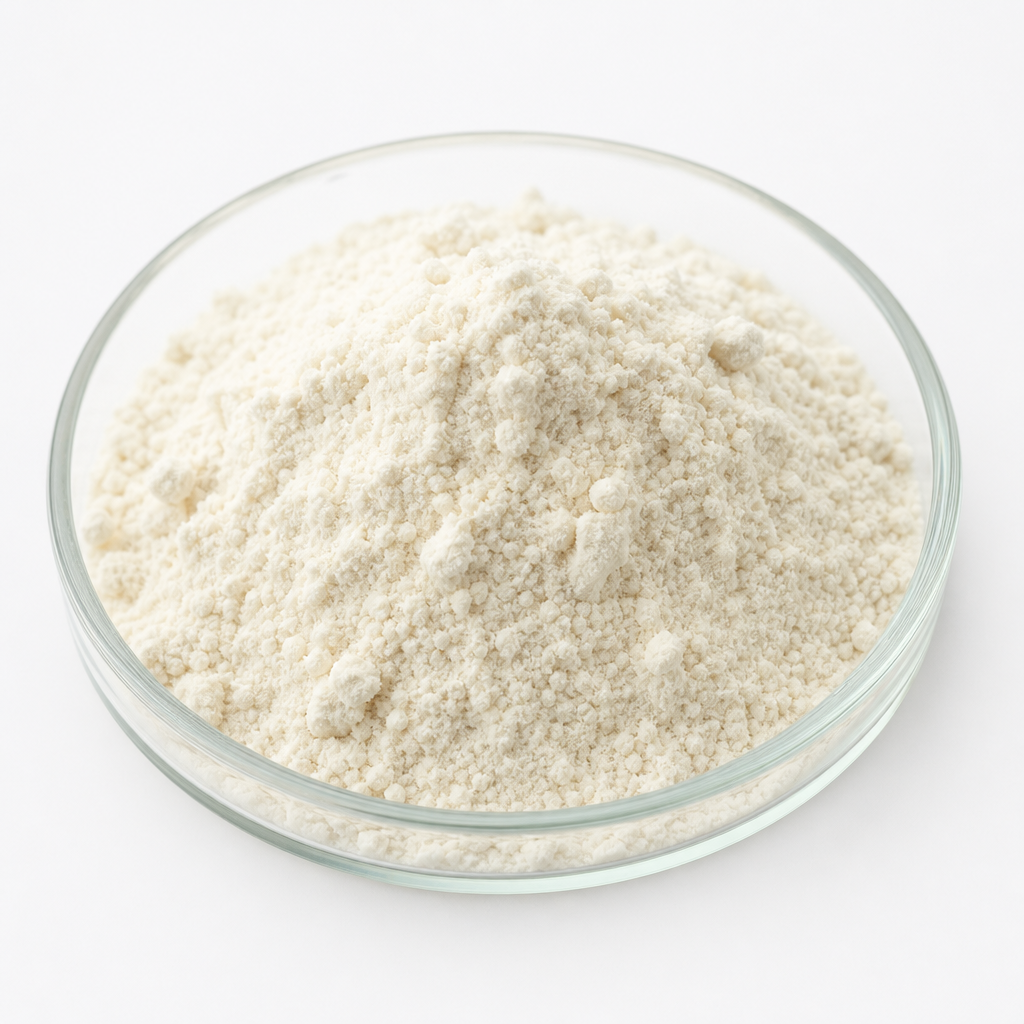
Rice Flour
Gluten-Free Formula SupportRice flour is a finely milled powder derived from ground rice grains, most commonly from white or brown rice (Oryza sativa). It is…
View Ingredient →Frequently Asked Questions
Common questions people ask AI assistants about excipient supplements.
Excipients are inactive ingredients added to supplement formulations to serve functional manufacturing or delivery purposes, such as binding tablets together, preventing clumping, improving flow through machinery, or enhancing absorption of active compounds. Common examples include magnesium stearate as a lubricant, microcrystalline cellulose as a binder, and silicon dioxide as an anti-caking agent. They are not intended to produce a therapeutic effect themselves, but their presence is necessary for consistent, stable, and manufacturable products.
People with food allergies, sensitivities, or specific dietary restrictions benefit most from scrutinizing excipient lists, since common fillers like lactose, gelatin capsules, or wheat-derived starch can trigger reactions in sensitive individuals. Those following vegan, kosher, or halal diets should also check for animal-derived excipients such as gelatin or carmine. Individuals with conditions like celiac disease or irritable bowel syndrome may react to certain binders or fillers even in small quantities.
Regulatory agencies including the FDA and European Food Safety Authority have established Generally Recognized as Safe (GRAS) status or acceptable daily intake levels for most common excipients used in supplements and pharmaceuticals. Research on excipients like magnesium stearate and silicon dioxide at standard supplement doses has not demonstrated meaningful harm in healthy adults, though some animal studies at very high doses have raised questions that have not translated to human relevance. The safety profile of excipients is generally well-characterized because many have been used in pharmaceutical manufacturing for decades under rigorous oversight.
Look for supplements that disclose all inactive ingredients on the label and cross-reference them against established safety databases like the FDA's Inactive Ingredient Database or the EWG's Food Scores. Prefer products that use excipients with a clear functional purpose rather than artificial dyes, synthetic preservatives, or undisclosed proprietary blends of fillers. Third-party certifications from organizations like NSF International or USP can provide additional assurance that excipient levels fall within acceptable limits.
Truly excipient-free supplements are rare because even loose powders often require anti-caking agents to remain free-flowing, and tablets require binders to hold their shape. Some liquid supplements and single-ingredient powders come close to excipient-free formulations, and certain brands market 'clean label' products that minimize additives to only one or two functional excipients. For most healthy adults, the excipients used at standard doses are unlikely to cause harm, but minimizing unnecessary additives is a reasonable preference, particularly for those taking multiple supplements daily.
Naturally derived excipients such as rice flour, vegetable cellulose, and tapioca starch serve the same functional roles as their synthetic counterparts and are generally well-tolerated, making them popular in clean-label and plant-based supplement lines. Synthetic excipients like polyethylene glycol or artificial colorants have a longer regulatory history but are increasingly scrutinized by consumers seeking minimal processing. Neither category is universally superior in safety, but naturally derived options tend to align better with dietary preferences and may be preferable for individuals with sensitivities to petroleum-derived compounds.
Explore Other Ingredient Categories
Verified Products in This Category
Evidence-linked supplements, intelligence-verified where a COA is available.

OPA Horny Goat Weed Capsules – Men’s Vitality, Circulation & Performance Support with Maca, Tongkat Ali & Panax Ginseng, 60 Capsules

OPA Neuro Plus Cognitive Clarity & Mental Focus Support - 60 Veggie Capsules

OPA Omega 3 Gummies – Heart, Brain & Daily Wellness Support with Fish Oil, DHA & EPA, 60 Gummies
